
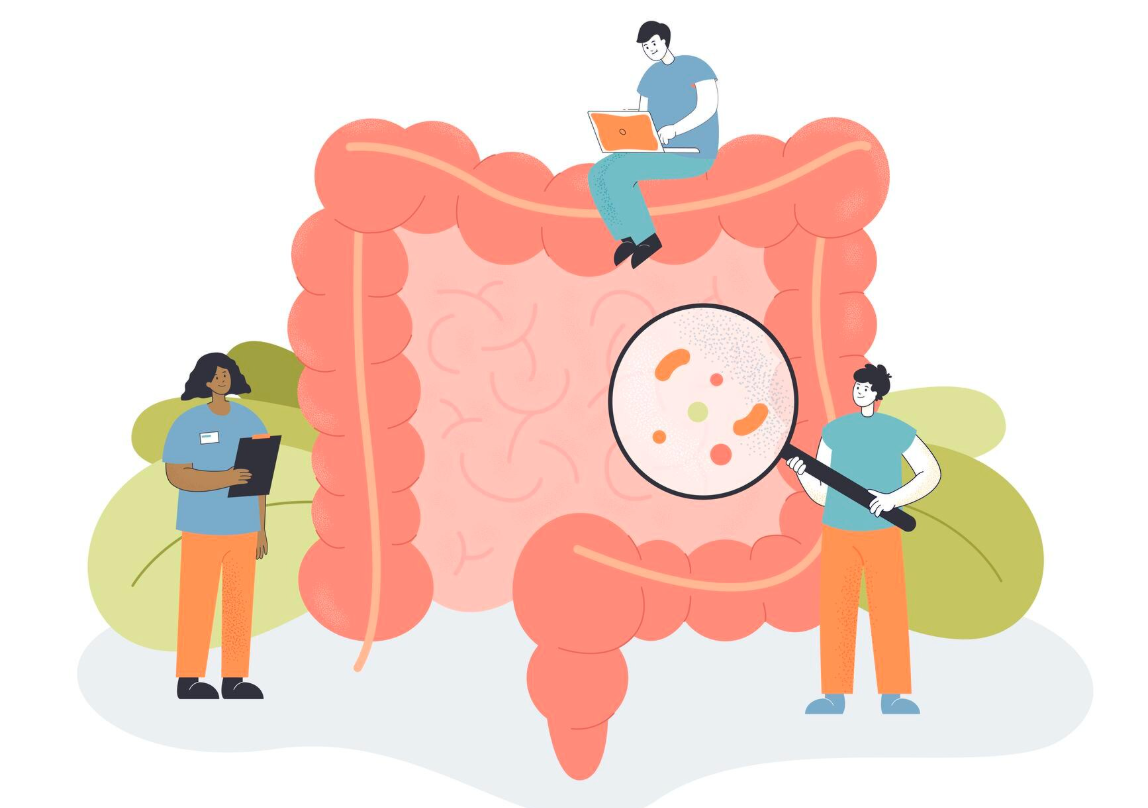
The Hidden Link Between Constipation and Your Brain
Constipation isn’t just about stomach discomfort—it could also affect how well your brain works. A groundbreaking study published in Neurology (2023) tracked over 110,000 people and found that those who had fewer than three bowel movements per week experienced cognitive decline equal to three years of extra brain aging. Even more alarming, their risk of memory loss increased by 73%.
Doctors warn that constipation, often dismissed as a minor health issue, may in fact play a major role in how quickly our brains age. This surprising discovery highlights the close relationship between the gut and the brain—often called the gut-brain axis.
Constipation and Brain Function: What the Study Found
Researchers tested triathlon athletes in three scenarios:
- No bowel movement
- Natural bowel movement
- Magnesium oxide–assisted bowel movement
The results were striking:
- After bowel movements, reaction times improved by 3–4 seconds.
- Athletes who used magnesium oxide performed the best overall.
Another part of the study showed that athletes who “emptied their bowels” before exercise lasted longer in high-intensity cycling tests. Their prefrontal cortex (the brain’s control center) maintained blood oxygen longer, fatigue set in more slowly, and endurance increased by nearly 4.5 minutes on average.
Why Constipation Affects the Brain: Doctor Explains
Three key reasons constipation could worsen cognitive performance:
- Increased blood flow to the brain
- When the intestines are cleared, the brain no longer wastes resources handling gut pressure. More blood and energy are available to support brain and muscle function.
- Less “background noise”
- Constipation acts like a distracting app running in the background. Once cleared, the brain is free from constant intestinal signals, improving focus and clarity.
- Healthier gut bacteria
- A balanced gut microbiome helps stabilize the nervous system and supports memory and cognition.
This means that a simple act—going to the toilet—can have measurable effects on how sharp and alert you feel.

The Color of Your Stool: What It Might Mean
Doctors also warn that stool color can reveal hidden health problems:
- Black stool
- May signal bleeding in the upper digestive tract (esophagus, stomach, duodenum). When blood is exposed to stomach acid, it turns black.
- Possible causes: ulcers, tumors, or serious bleeding.
- Red stool
- Suggests bleeding in the lower digestive tract, such as the colon, rectum, or hemorrhoids.
- Because blood doesn’t stay long in this part of the intestine, it remains bright red.
- Gray/white stool
- Normally, bile gives stool its brown color. If stool looks pale like clay, it may mean bile isn’t reaching the intestines.
- Possible causes: bile duct stones, bile duct cancer, pancreatic cancer, or tumors blocking the bile flow.
Practical Tips: Protect Both Your Gut and Your Brain
- Aim for regular bowel movements (ideally once per day).
- Eat a fiber-rich diet with fruits, vegetables, and whole grains.
- Drink plenty of water to soften stools.
- Stay physically active, since movement stimulates the intestines.
- See a doctor if you notice unusual stool color, chronic constipation, or sudden changes in bowel habits.
Don’t Ignore Constipation
Constipation may seem like a small problem, but research shows it has serious effects on brain health. Ignoring it could mean faster cognitive decline, greater fatigue, and higher risk of memory loss.
The message is clear: a healthy gut is key to a healthy brain. Regular bowel movements aren’t just about comfort—they could help keep your mind sharp and your body strong.