
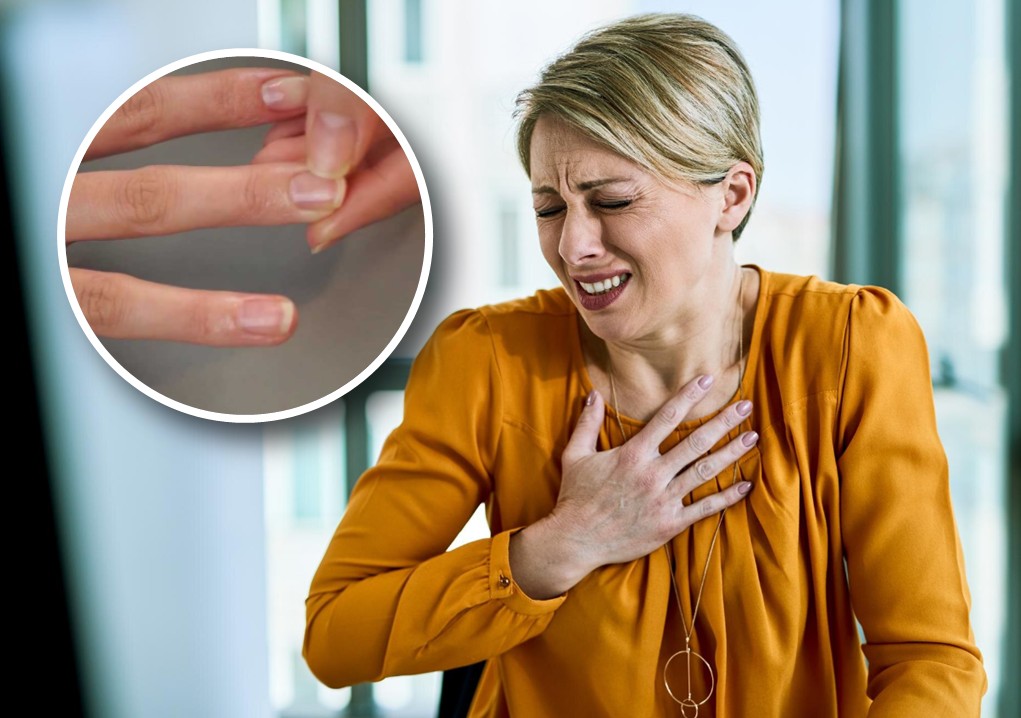
Vascular aging acceleration typically begins around age forty, creating silent risks for catastrophic health events including strokes, heart attacks, and sudden cardiac death. Japanese cardiovascular specialist Dr. Mitsuaki Sugioka, drawing from nearly two decades of emergency medicine experience treating approximately 10,000 cardiac patients, has identified accessible methods for assessing vascular health without complex medical equipment. His research reveals that simple capillary response testing using just your fingers can provide valuable insights into circulatory system condition, while specific lifestyle interventions can significantly slow vascular deterioration and reduce mortality risks associated with aging blood vessels.
The Vascular Aging Crisis: Understanding the Silent Threat
As the human body enters its fourth decade, blood vessels gradually lose elasticity and develop microscopic damage that initiates a cascade of cardiovascular complications. This progressive deterioration stems from cumulative oxidative stress, inflammatory damage, and structural changes in the endothelial lining that serves as the critical interface between bloodstream and vascular tissues.
Dr. Sugioka’s clinical observations identify three primary mechanisms behind age-related sudden cardiac events:
Advanced arterial stiffness represents the most common pathway to vascular catastrophe. This condition develops when cholesterol plaques and other substances adhere to vessel walls, creating rigid sections that narrow the passageway for blood flow. The resulting turbulence and pressure changes can trigger clot formation that may completely obstruct circulation to vital organs, potentially causing ischemic strokes or heart attacks.
Coronary artery spasms constitute another significant risk that often goes undetected during routine cardiac screenings. These sudden, sustained contractions of the heart’s blood vessels can persist for thirty to sixty minutes, severely restricting myocardial blood supply. When prolonged, these spasms can precipitate full-blown myocardial infarction even in individuals without significant arterial plaque accumulation.
Electrical system disruptions in the heart, particularly ventricular fibrillation, complete the triad of common sudden death causes. Individuals with hypertrophic cardiomyopathy face elevated risks for these fatal rhythm abnormalities, though recent clinical data indicates rising incidence of virus-induced myocarditis creating similar electrical instability in previously healthy hearts.
The 5-Second Vascular Assessment: Capillary Refill Testing
A remarkably simple yet clinically valuable self-assessment involves evaluating how quickly blood returns to tissue after brief compression. This capillary refill test provides indirect insight into microvascular health and overall circulatory efficiency.
To perform the assessment, firmly pinch the nail bed of your index finger between your thumb and forefinger for exactly five seconds, applying sufficient pressure to visibly blanch the tissue. Upon release, observe how rapidly normal pink coloration returns to the compressed area.
Optimal vascular function demonstrates recovery within two to three seconds, indicating efficient microcirculation and responsive blood vessel dynamics. Delayed recoloration exceeding this timeframe suggests potential circulatory compromise, possibly indicating reduced arterial flexibility, capillary damage, or blood viscosity issues that warrant further medical evaluation.
While this assessment shouldn’t replace comprehensive medical testing, it serves as a valuable monitoring tool for tracking vascular health trends over time and recognizing significant changes that might justify professional consultation.
Six Evidence-Based Strategies for Vascular Preservation
Movement Integration for Endothelial Health
Physical activity stimulates the vascular endothelium to produce nitric oxide, a crucial signaling molecule that regulates vessel dilation, maintains elastic properties, and inhibits inflammatory processes within the arterial walls.
A balanced exercise regimen should incorporate aerobic conditioning through activities like brisk walking or cycling that elevate heart rate sufficiently to enhance blood flow velocity without overwhelming the system. The optimal intensity typically produces mild breathlessness while keeping heart rate below the calculated maximum of (220 – [age × 0.7]).
Complementary movement practices including shoulder elevation exercises that contract muscular vasculature and structured stretching routines that alternately compress and release blood vessels further enhance nitric oxide production through varied mechanical stimulation.

Nutritional Architecture for Vascular Integrity
Dietary approaches should prioritize antioxidant-rich foods that counter the oxidative processes driving arterial deterioration. Seasonal vegetables including mushrooms, broccoli, pumpkin, and sweet potatoes provide vital vitamins A, C, and E that neutralize free radicals and reduce inflammatory damage to vascular tissues.
Fruit selection should emphasize options with favorable fiber-to-sugar ratios, making blueberries (fresh or frozen) preferable to high-glycemic alternatives like watermelon or peaches. Omega-3 fatty acids from mackerel, salmon, and similar cold-water fish deliver anti-inflammatory benefits while helping maintain optimal blood lipid profiles.
Strategic avoidance of processed carbohydrates, deep-fried foods, and sugar-sweetened beverages—including seemingly healthy options like vegetable juices that often contain hidden sugars with removed fiber—prevents accelerated vascular oxidation and inflammation.

Temporal Eating Patterns
Post-forty metabolism typically requires adjusted eating approaches, particularly for menopausal women facing heightened obesity risks that significantly accelerate arterial stiffening. Consuming modest meals that stop at approximately 80% fullness prevents the blood glucose spikes and inflammatory responses associated with large food volumes while supporting sustainable weight management.
Sleep-Dependent Vascular Repair
During deep sleep stages, the body initiates critical vascular maintenance processes that clear accumulated waste products, repair endothelial damage, and reduce oxidative stress. Consistently achieving at least seven hours of quality sleep enables these essential processes while regulating stress hormones that otherwise promote vascular inflammation and rigidity.

Conscious Stress Modulation
Chronic psychological stress activates hormonal pathways that directly damage blood vessels through inflammation and elevated blood pressure. Meditation practices and structured breathing techniques that emphasize extended exhalation phases (such as inhaling for three seconds while exhaling for six) activate parasympathetic nervous system responses that dilate blood vessels and reduce circulatory strain.
Thermovascular Conditioning
Immersion in warm water (39-41°C) approximately five times weekly creates beneficial cardiovascular stimulation through combined thermal and pressure effects. This practice increases tissue plasminogen activator (t-PA) concentrations that help dissolve potential blood clots while improving vascular reactivity. Sessions should be limited to ten minutes to prevent excessive blood pressure reductions, with careful attention to avoiding temperatures that might trigger sympathetic overactivation, particularly near bedtime.

Implementation Framework for Sustainable Vascular Health
Integrating these protective strategies requires recognizing that vascular preservation demands consistent practice rather than periodic intervention. Begin with one or two manageable approaches—perhaps the capillary assessment combined with improved sleep habits—before gradually incorporating additional elements.
Regular self-monitoring through simple tests like the capillary refill assessment provides valuable feedback about strategy effectiveness while maintaining motivation through visible progress. Professional cardiovascular evaluations remain essential for comprehensive risk assessment, particularly when family history or previous health concerns suggest elevated vulnerability.
The cumulative benefit of these practices emerges over months and years, gradually creating vascular resilience that can significantly delay age-related circulatory decline and reduce associated health risks.
Vascular Vitality as a Sustainable Achievement
Protecting circulatory health beyond forty requires neither extreme measures nor complex interventions, but rather consistent application of evidence-based practices that support vascular structure and function. The simplicity of the finger assessment belies its value as a monitoring tool, while the multifaceted lifestyle approach addresses the various factors contributing to vascular aging.
By recognizing that blood vessels require ongoing maintenance rather than occasional attention, individuals can implement sustainable habits that preserve circulatory efficiency, reduce catastrophic health risks, and support overall vitality throughout midlife and beyond. The journey to vascular health begins not with dramatic transformation but with conscious daily choices that collectively create significant long-term protection.