
Are Your Chopsticks Really Clean? The Answer May Surprise You
Most families wash their chopsticks after every meal and assume they are safe to use for years. However, wooden and bamboo chopsticks may continue to harbor bacteria and mold even after thorough washing, especially in warm and humid climates.
Recent studies suggest that some reusable chopsticks can carry far higher levels of bacteria than recommended food safety standards. In fact, one investigation found that certain wooden and bamboo chopsticks contained seven to eight times more bacteria than a toilet seat. Even more concerning, mold growing inside damaged chopsticks may produce aflatoxin, one of the world’s most powerful natural carcinogens.

Although chopsticks are an essential part of daily meals for millions of people, many people are unaware that their condition—not just how often they are washed—can affect food safety and health.
Key Takeaways
- Wooden and bamboo chopsticks develop tiny cracks that trap food particles and bacteria.
- Certain bacteria found on chopsticks may cause food poisoning and gastrointestinal infections.
- Moldy chopsticks may contain aflatoxin, a Group 1 carcinogen classified by the World Health Organization (WHO).
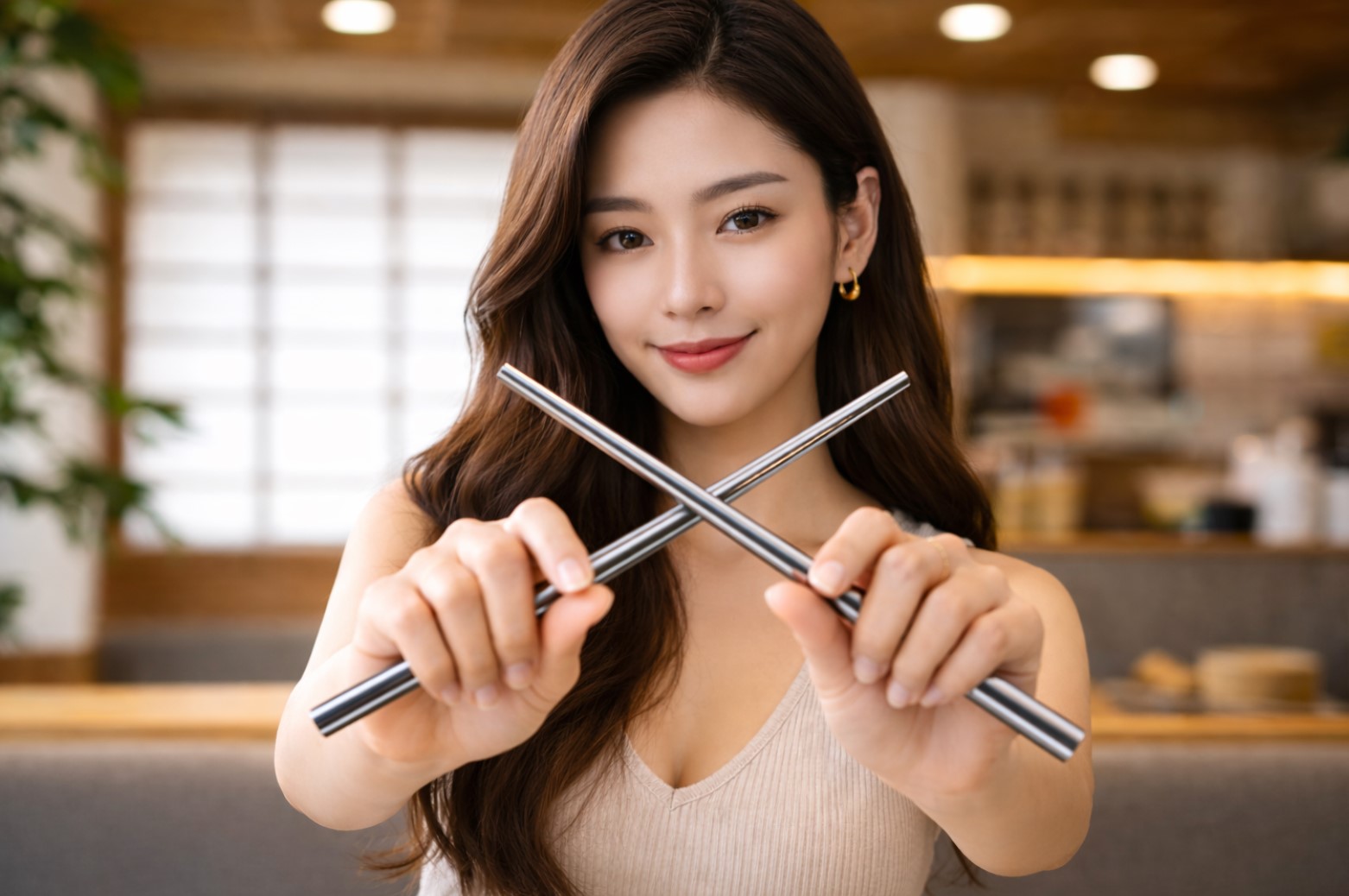
- Stainless steel chopsticks generally retain the lowest bacterial contamination because of their smooth, non-porous surface.
- Experts recommend replacing wooden and bamboo chopsticks every 3 to 6 months, or immediately if they become damaged or moldy.
Studies Found Wooden and Bamboo Chopsticks Carry High Levels of Bacteria
According to research cited by Taiwanese respiratory and critical care physician Dr. Huang Hsuan, bacterial contamination on reusable chopsticks can become surprisingly high over time.
The findings reported include:
- Wooden chopsticks contained 3.3 times more bacteria than the recommended hygiene standard.
- Grooved bamboo chopsticks carried 37 times more bacteria than smooth bamboo chopsticks.
- Some reusable chopsticks were found to be 7 to 8 times dirtier than a toilet seat.
Researchers detected several potentially harmful microorganisms, including:
- Escherichia coli (E. coli) – bacteria that may cause diarrhea and food poisoning.
- Staphylococcus aureus – bacteria capable of causing skin infections and foodborne illness through toxin production.
- Listeria monocytogenes – a bacterium particularly dangerous for pregnant women, older adults, and people with weakened immune systems.
These bacteria may cause symptoms ranging from mild stomach upset and vomiting to severe foodborne infections.

Why Wooden and Bamboo Chopsticks Become Contaminated
Unlike stainless steel, wood and bamboo are naturally porous materials. With repeated use, they gradually develop tiny scratches, bite marks, and microscopic cracks.
Food particles, cooking oils, and moisture become trapped inside these tiny openings. Even vigorous scrubbing cannot always remove contaminants hidden beneath the surface.
In humid environments, these trapped residues create an ideal environment for bacteria and mold to grow.
This is why chopsticks that appear clean may still contain microorganisms invisible to the naked eye.

The Hidden Cancer Risk: Aflatoxin in Moldy Chopsticks
While bacteria can cause food poisoning, health experts are even more concerned about aflatoxin, a toxic substance produced by certain molds.
According to Tan Tzu-Tzu, a toxicology nurse from Chang Gung Memorial Hospital in Taiwan, there have been reports of families developing liver cancer after years of using moldy wooden or bamboo chopsticks.
Although individual cases cannot prove direct causation, the concern is biologically plausible because aflatoxin is a well-established carcinogen.

What Is Aflatoxin?
Aflatoxin is a poisonous compound produced mainly by Aspergillus fungi.
The International Agency for Research on Cancer (IARC), part of the World Health Organization, classifies naturally occurring aflatoxins as Group 1 carcinogens, meaning there is sufficient evidence that they can cause cancer in humans.
Aflatoxin is particularly dangerous because it is:
- Extremely toxic, even in small amounts over long periods.
- Heat-resistant, meaning ordinary cooking or boiling does not destroy it.
- Able to accumulate damage to the liver after repeated exposure.
Long-term exposure has been associated with an increased risk of:
- Liver cancer
- Liver damage
- Possible increased risks of certain digestive cancers under specific exposure conditions
Important: Once mold has grown inside a wooden or bamboo chopstick, washing, scrubbing, or boiling cannot reliably remove the toxin. The safest solution is to discard the chopsticks immediately.
Three Warning Signs It’s Time to Throw Your Chopsticks Away
Many people wait until chopsticks break before replacing them. However, experts recommend replacing them much earlier if any of these warning signs appear.
1. Scratches or Surface Damage
Deep scratches create hiding places for bacteria and mold.
For imitation porcelain (melamine) chopsticks, scratches may also increase the release of certain chemicals under repeated use.
2. Dark Spots or Discoloration
Black, green, or grey spots may indicate mold growth.
Visible mold usually means fungal threads have already penetrated beneath the surface, making complete cleaning impossible.
3. Bent or Warped Tips
Warping often indicates that repeated exposure to moisture and heat has weakened the material.
Damaged chopsticks are more difficult to clean thoroughly and provide additional surfaces for bacteria to grow.

Which Type of Chopstick Is the Safest?
A Taiwanese laboratory study compared bacterial contamination on four commonly used chopstick materials after washing and drying.
The researchers tested:
- Wooden chopsticks
- Bamboo chopsticks
- Melamine (imitation porcelain) chopsticks
- Stainless steel chopsticks

After standardized cleaning and bacterial testing, the results showed:
- Wooden chopsticks exceeded recommended bacterial levels.
- Bamboo chopsticks also exceeded acceptable levels.
- Melamine chopsticks exceeded the recommended standard.
- Only stainless steel chopsticks remained within the acceptable hygiene limit.
Although stainless steel performed best, it still requires proper cleaning and should be replaced if it becomes scratched or rusty.
Three Common Cleaning Mistakes That Can Increase Bacterial Growth
Many people unknowingly shorten the lifespan of their chopsticks through improper cleaning habits.
Washing the Entire Bundle Together
Rubbing multiple chopsticks against each other creates additional scratches and damages protective coatings.

Using Steel Wool or Metal Scrubbers
Abrasive scrubbers leave microscopic scratches that make it easier for bacteria to accumulate.
Even stainless steel chopsticks may lose some of their corrosion resistance if repeatedly scratched.
Boiling Melamine Chopsticks
High temperatures may damage melamine products.
Under certain conditions, damaged melamine tableware may release chemicals such as melamine or formaldehyde, particularly if the product is old, poor quality, or not designed for high heat.
How to Clean Chopsticks Properly
Proper cleaning helps reduce bacterial contamination and extends the lifespan of reusable chopsticks.
Experts recommend these four simple steps.
First, wash each chopstick individually rather than rubbing them together. Remove food residue with running water before using a soft sponge and mild dishwashing detergent.
Next, avoid abrasive cleaning tools. Soft sponges or cloths are sufficient and are less likely to damage the surface.
After washing, dry the chopsticks completely. Store them upright in a well-ventilated holder or use a drying cabinet if available. Moisture encourages bacterial and mold growth.
Finally, remember to clean the chopstick holder regularly. Water often collects at the bottom, creating another breeding ground for bacteria and mold that can re-contaminate clean utensils.
How Often Should You Replace Your Chopsticks?
Even if reusable chopsticks look clean, experts recommend regular replacement.
| Chopstick Material | Advantages | Potential Risks | Recommended Replacement |
|---|---|---|---|
| Wooden | Lightweight, inexpensive | Porous, traps bacteria and mold | Every 3–6 months or sooner if damaged |
| Bamboo | Natural, lightweight | Develops cracks easily | Every 3–6 months or immediately if mold appears |
| Melamine | Durable and shatter-resistant | Scratches may trap bacteria; avoid excessive heat | Replace when scratched |
| Stainless Steel | Smooth, non-porous, easiest to clean | Can become scratched or rusty over time | Replace if scratched or rusted |
The Bottom Line
Reusable chopsticks are part of everyday life, but they should not be treated as permanent kitchen utensils.
Wooden and bamboo chopsticks naturally deteriorate with repeated use, creating microscopic cracks that trap bacteria, food residue, and moisture. Over time, these conditions can encourage mold growth, including fungi capable of producing aflatoxin, a known human carcinogen.
Good hygiene is about more than washing your chopsticks—it also means replacing them before they become a hidden health risk. If your chopsticks show signs of damage, discoloration, or mold, the safest choice is simple: throw them away and replace them.