
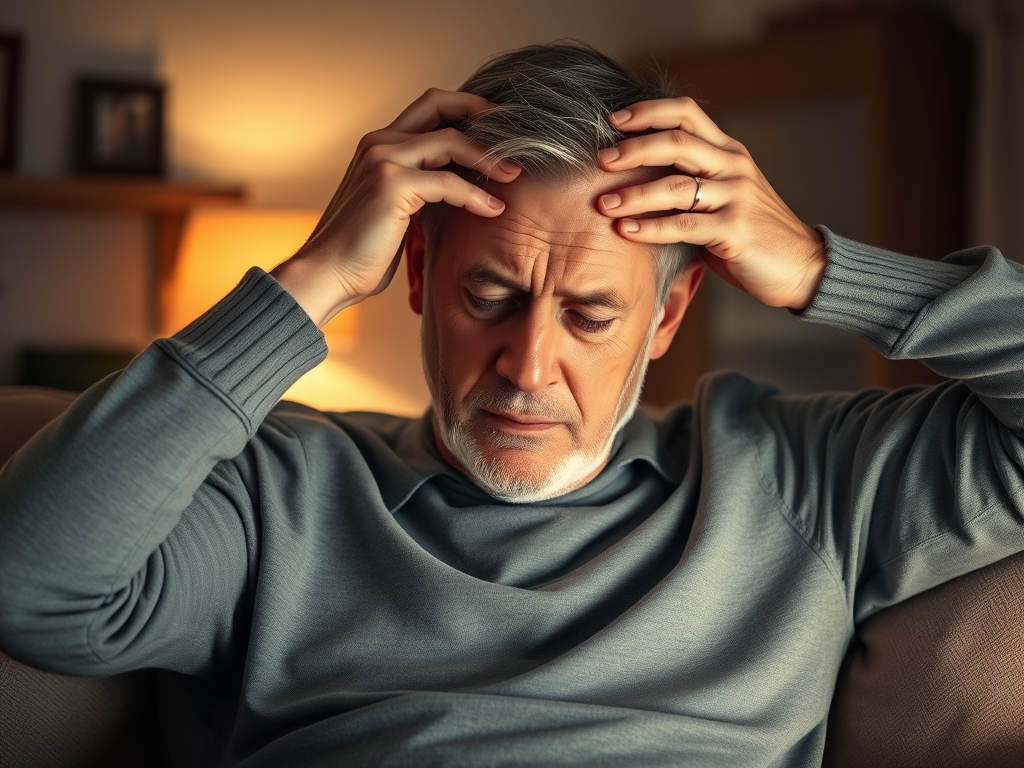
The Shocking Rise
According to a CDC (U.S. Centers for Disease Control and Prevention) analysis, the stroke death rate among adults aged 45–64 in the United States rose by 12% between 2012 and 2021, increasing from 21.7 to 24.4 deaths per 100,000 people. This reversal is significant, as stroke mortality had been declining for decades. Globally, the World Stroke Organization estimates that 1 in 4 adults will suffer a stroke in their lifetime. More than 90% of cases are linked to ten modifiable risk factors such as high blood pressure, smoking, obesity, and physical inactivity.
Celebrities have also faced this life-altering reality. Hailey Bieber, an American model, suffered a mini-stroke (a transient ischemic attack, or TIA) in 2022 after subtle stroke-like symptoms. And months later, Oscar-winning actor Jamie Foxx had a brain bleed that led to a full hemorrhagic stroke, spending weeks hospitalized and losing consciousness.
If someone famous is at risk, someone regular like you or me might be too. Here’s what to watch, what causes it, and what to do now — because acting fast literally saves lives.
Types of Stroke: Hemorrhagic vs. Ischemic
Doctors divide strokes into two major categories, and understanding the difference is key to both prevention and treatment.
- Ischemic Stroke (≈ 85% of cases):
This is the most common type. It happens when a blood clot or fatty deposit blocks blood flow to the brain. Without oxygen-rich blood, brain cells begin to die within minutes. High blood pressure, high cholesterol, diabetes, and smoking are the strongest risk factors for ischemic stroke. - Hemorrhagic Stroke (≈ 15% of cases):
Less common but often more deadly, hemorrhagic stroke occurs when a blood vessel in the brain bursts, causing bleeding inside the brain tissue. This can result from uncontrolled high blood pressure, brain aneurysms, or overuse of blood-thinning medications. The bleeding increases pressure in the skull, damaging surrounding brain cells rapidly.
Both types are medical emergencies. While ischemic strokes are often treated with clot-dissolving drugs or procedures to remove blockages, hemorrhagic strokes usually require surgery or urgent measures to control bleeding and pressure. In either case, every minute counts — quick recognition and treatment can mean the difference between recovery and permanent disability.
Symptoms / Warning Signs: FAST Is Your Lifeline
When dealing with stroke, one acronym can make all the difference: FAST. Recognizing these signs fast can mean the difference between full recovery and serious damage.
- Face drooping – Does one side of the face sag or feel numb?
- Arm weakness – Does one arm drift downward when raising both?
- Speech difficulty – Slurred or strange speech? Can the person repeat a simple phrase?
- Time to call emergency services immediately if any of these appear.
Additional warning symptoms include: sudden numbness or weakness (especially on one side of the body), confusion, trouble understanding speech, severe headache without known cause, trouble walking, dizziness, or loss of balance.
Causes: Why Stroke Risk Is Rising for Middle-Aged Adults
What’s driving the increase in stroke among 45-64 year-olds? Experts point to multiple accelerating factors:
- Hypertension (high blood pressure) is the biggest culprit. Over half of stroke cases in this age group tie back to poorly controlled blood pressure.
- Obesity and poor diet — high salt, high sugar, ultra-processed foods contribute to vascular damage.
- Diabetes and high blood sugar — uncontrolled glucose levels damage blood vessels and increase clot risk.
- Sedentary lifestyle — less physical activity means poorer circulation, weight gain, and higher stroke risk.
- Smoking & alcohol — tobacco use remains a major factor; drinking often compounds risks.
Health Advice: How to Slash Your Stroke Odds
Because stroke is a medical emergency, prevention matters more than ever. Here are doctor-approved strategies you can start now:
- Regularly check your blood pressure
- Home monitors or clinic checks. Keep hypertension under control with medication if prescribed. Unchecked blood pressure is called a “silent killer.”
- Adopt a heart-healthy lifestyle
- Eat a diet rich in vegetables, fruits, whole grains, lean protein, and low in salt and processed foods.
- Maintain a healthy weight. Even losing 5-10% of body weight reduces strain on arteries and heart.
- Stay active
- Aim for at least 150 minutes per week of moderate aerobic activity (walking, cycling, swimming).
- Add strength training 2-3 times a week. Even short walks or standing breaks help offset sedentary behavior.
- Stop smoking & limit alcohol
- If you smoke, seek help to quit. Each cigarette increases vessel damage.
- Drink in moderation (if at all). Heavy drinking is tied to high blood pressure and stroke risk.
- Know the FAST rules and act immediately
- If you or someone you know shows Face droop, Arm weakness, Speech difficulty, or Time is ticking — call emergency services. Rapid treatment (ideally within minutes of symptom onset) greatly improves recovery.
- Prepare: know the number, have contacts ready, don’t hesitate.
- Address heart issues and medical risks
- If you have a known heart defect (like PFO), clotting disorder, or prior stroke/TIA — follow up carefully with a neurologist or cardiologist.
- Manage diabetes, cholesterol, stress, and sleep issues — all influence stroke risk.
Hailey Bieber & Jamie Foxx: Witnesses & Warners
- Hailey Bieber’s mini-stroke (TIA) included sudden facial drooping, numbness, and speech difficulty, happening while she was having breakfast. She was found to have a PFO, which was surgically closed.
- Jamie Foxx revealed that, in April 2023, he suffered a brain bleed that led to a stroke. He lost consciousness for days, required emergency brain surgery, and spent weeks recovering. He described waking up in a wheelchair and having to relearn movement.
These high-profile cases remind us: stroke doesn’t only hit the elderly. Even seemingly healthy or young adults can be at risk when underlying conditions or risky habits are present.
Conclusion: Don’t Wait until It’s Too Late
Stroke risk is climbing rapidly in middle aged adults — with death rates rising and cases more common than we thought. Recognizing FAST symptoms, controlling blood pressure, avoiding unhealthy habits, and acting immediately could save lives. If you notice any warning sign in yourself or someone else, treat it like the true emergency it is — because it is.