
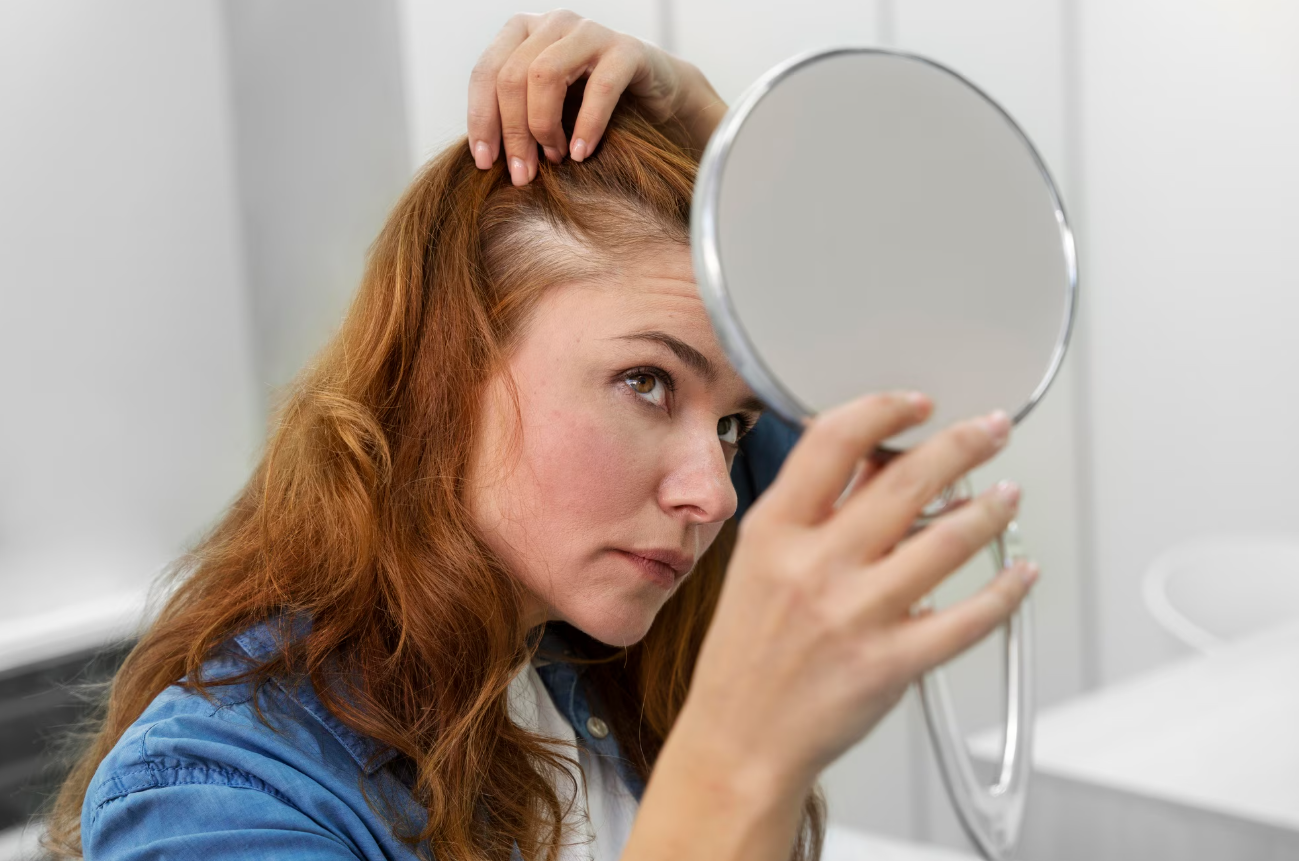
Finding a handful of hair in the shower drain can be an alarming experience. While genetics play a major role, the products you use every day could be a surprising contributor to thinning hair. Dermatologists confirm that certain chemicals in shampoos, particularly preservatives designed to give the product a long shelf life, can gradually damage hair follicles and lead to increased hair loss. This explains why a shampoo might feel great initially, but after months of use, leads to an itchy scalp and more hair shedding.
The primary culprits are often the synthetic preservatives that prevent bacteria and mold from growing in your bottle.
The 3 Potentially Harmful Preservatives in Your Shampoo
Most commercial shampoos contain a cocktail of 3 to 5 different preservatives. While they keep your product stable for years, they can be potent irritants that disrupt your scalp’s natural microbiome and weaken its protective barrier.
The key ingredients to watch out for on the label are:
- Parabens: Used to prevent microbial growth, parabens can mimic estrogen and have been linked to skin irritation and potential disruption of the endocrine system.
- Methylisothiazolinone (MIT): This is a powerful biocide and a common allergen. It can cause significant contact dermatitis and inflammation on the scalp, which is detrimental to follicle health.
- Diethanolamine (DEA): Often used as a foaming agent or to adjust a product’s pH, DEA can react with other ingredients to form nitrosamines, which are potential carcinogens and can irritate the skin and scalp.
Why the Damage is Gradual and Long-Lasting
The harm caused by these preservatives is cumulative. Continuous use slowly erodes the scalp’s health. You may not notice a problem for the first few months, which is why the link between the shampoo and hair loss isn’t always obvious.
The consequence is inflamed and damaged hair follicles. Once a follicle is compromised, it can take a significant amount of time to recover. Even after you stop using the problematic product, it can take 3 to 6 months for the scalp to naturally repair itself and for the hair growth cycle to normalize.
The Dandruff-Hair Loss Vicious Cycle
This inflammation creates a vicious cycle. Preservatives are known allergens, and when your scalp reacts to them, it can become inflamed and itchy. This damaged scalp then releases inflammatory signals that interfere with the hair growth cycle, pushing hairs into the shedding phase prematurely.
In an attempt to solve the resulting flakiness or dandruff, many people reach for a stronger, medicated anti-dandruff shampoo. Unfortunately, these products often contain even higher concentrations of preservatives and harsh active ingredients, which can further inflame the scalp and exacerbate the hair loss problem.

How to Choose a Safer Shampoo
Because these synthetic preservatives are extremely cheap and effective, they are widely used. Ironically, some shampoos marketed as “natural” or “sulfate-free” may contain even more hidden preservatives to compensate for the removal of other stabilizing chemicals.
To protect your scalp and hair, follow these guidelines:
- Read the Label Carefully: Before buying, scan the ingredient list for Parabens, Methylisothiazolinone (MIT), and Diethanolamine (DEA).
- Choose Low- or No-Preservative Formulas: Look for brands that use natural preservatives or are transparent about their preservation system.
- Prioritize Simplicity: Don’t be swayed by fancy packaging or heavy fragrances. Often, the simplest formulas with the shortest ingredient lists are the most gentle on your scalp.
- Listen to Your Scalp: If you experience increased itching, flaking, or shedding after starting a new shampoo, discontinue use immediately.