
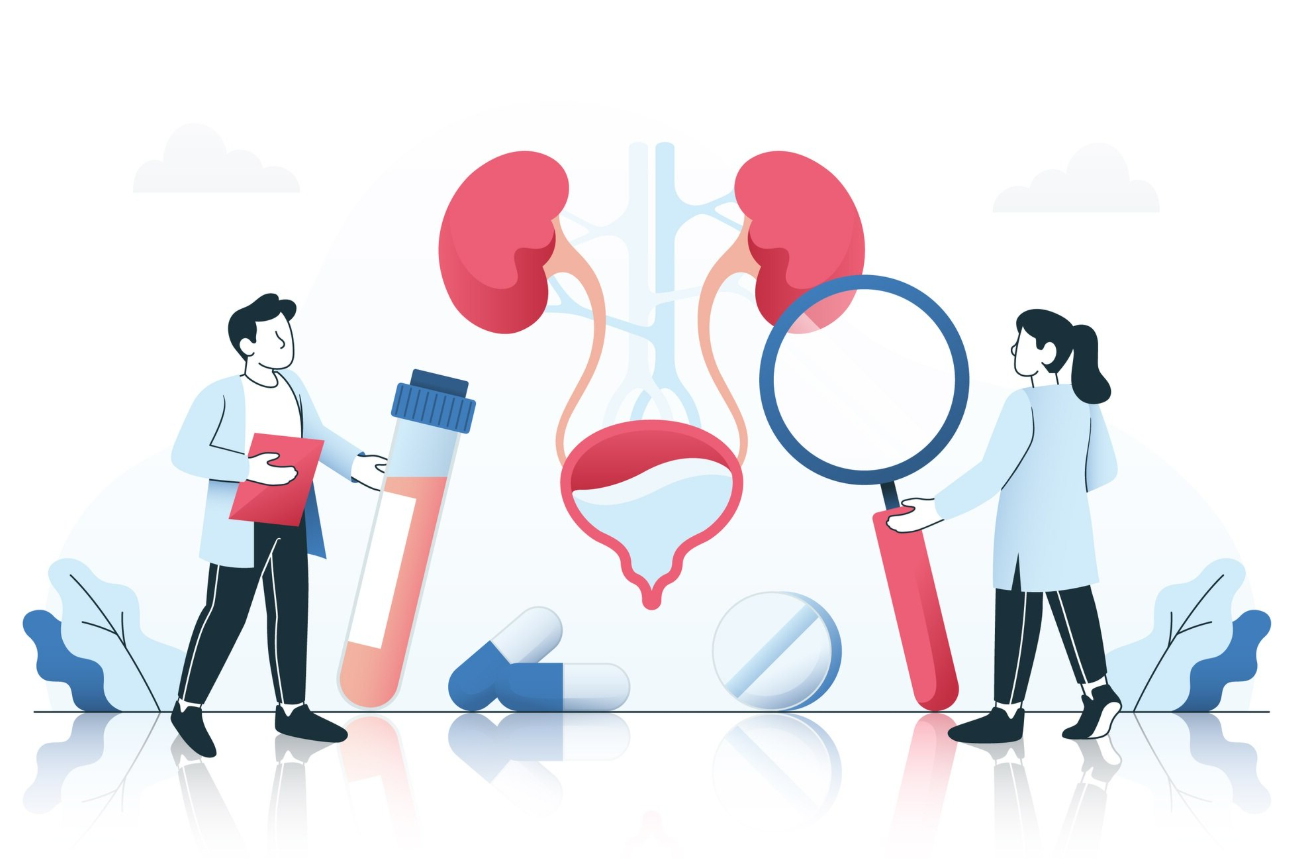
Urinary Tract Infections (UTIs) are one of the most common infections worldwide, and research shows their frequency spikes every July and August, particularly in hot weather. A U.S. study analyzing Google Trends (2004–2023) found that searches for “UTI” consistently peak mid-summer. Similarly, a 2019 study in Taiwan linked higher temperatures with increased UTI cases in women, with July showing the highest rates.
Why? In hot climates, people sweat more, drink less water, and often hold their urine longer, all of which raise the risk of infection. Left untreated, bacteria can travel up the ureters, cause pyelonephritis (kidney infection), and even progress to sepsis.
In this article, we’ll explain:
- The dangers of holding urine too long
- The 5 high-risk factors for UTIs
- Gender and age differences in infection risk
- Common UTI symptoms and warning signs
- When to see a doctor
Why Holding Urine is Harmful
1. Increases UTI Risk
- Urine left in the bladder too long allows bacteria (like E. coli) to multiply and attach to the bladder lining, leading to infection.
2. Weakens Bladder Function
- Chronic urine retention overstretches bladder muscles, causing poor blood circulation.
- This may lead to underactive bladder syndrome, with symptoms such as weak urine flow, difficulty starting urination, and incomplete emptying.
3. Damages Kidney Function
- High bladder pressure prevents urine from draining properly from the kidneys.
- This can cause hydronephrosis (kidney swelling) and long-term kidney impairment.
4. Reduces Concentration
- Retaining urine disrupts the autonomic nervous system, affecting attention and mental focus.
The 5 High-Risk Factors for UTIs
1. Dehydration or Excessive Fluid Loss
- Hot weather and sweating reduce urine output, making urine more concentrated and favorable for bacterial growth.
- Prevention tip: Drink 2,000–3,000 mL of water daily and urinate frequently to flush out bacteria.
2. Habitual Urine Retention
- Long delays between toilet visits increase bacterial colonization in the bladder.
3. Poor Toilet Hygiene
- Women wiping from back to front may accidentally transfer intestinal bacteria to the urethra.
4. Unprotected Sex or Poor Hygiene Around Intercourse
- Sexual activity can introduce bacteria to the urethral opening.
- Failing to urinate before and after sex increases infection risk.
5. Enlarged Prostate or Urinary Retention Conditions
- In older men, benign prostatic hyperplasia (BPH) blocks urine flow, leaving residual urine where bacteria can thrive.
Gender, Age, and Risk Differences
- Women: Urethra is shorter (~4 cm) and closer to the anus, making bacterial entry easier.
- Men: Longer urethra offers protection, but BPH increases infection risk in middle-aged and older men.
- Elderly (65+): Weakened immunity means even mild UTIs can escalate quickly. High fever or back pain in seniors requires urgent care.
Symptoms of Urinary Tract Infection
- Frequent urination (urinary frequency)
- Sudden urge to urinate (urgency)
- Burning pain during urination (dysuria)
- Lower abdominal discomfort or bloating
- Cloudy or foul-smelling urine
- Blood in urine (hematuria)
Diagnosis and When to See a Doctor
To confirm whether an infection is present, a doctor will usually request a urine sample. This allows the laboratory to check for bacteria or signs of infection under a microscope and through a culture test. While mild cases may sometimes improve with increased fluid intake, it is important to seek medical help promptly if symptoms persist, worsen, or are particularly severe.
Children, pregnant women, and individuals with underlying health problems such as diabetes or kidney disease should be especially cautious and consult a healthcare professional as soon as they notice symptoms.
Timely diagnosis and treatment can prevent the infection from spreading to the kidneys, which can lead to more serious complications.
Important Warning Signs
Although most urinary tract infections are relatively mild and treatable, there are certain warning signs that require immediate medical attention. If you experience fever, chills, nausea, vomiting, or back pain near the waist, these could indicate that the infection has moved from the bladder to the kidneys.
Kidney infections are far more serious and may require hospital treatment. Ignoring these warning signals can put your long-term health at risk, so recognizing them early is essential.
Takeaway: Protecting Your Urinary Health
UTIs are more common than many people realize, especially in hot summer months. Bad habits like holding urine, poor hygiene, and dehydration significantly increase the risk. Early treatment prevents serious complications like kidney infection or sepsis. Protect your urinary health with hydration, proper toilet habits, and timely medical care.