
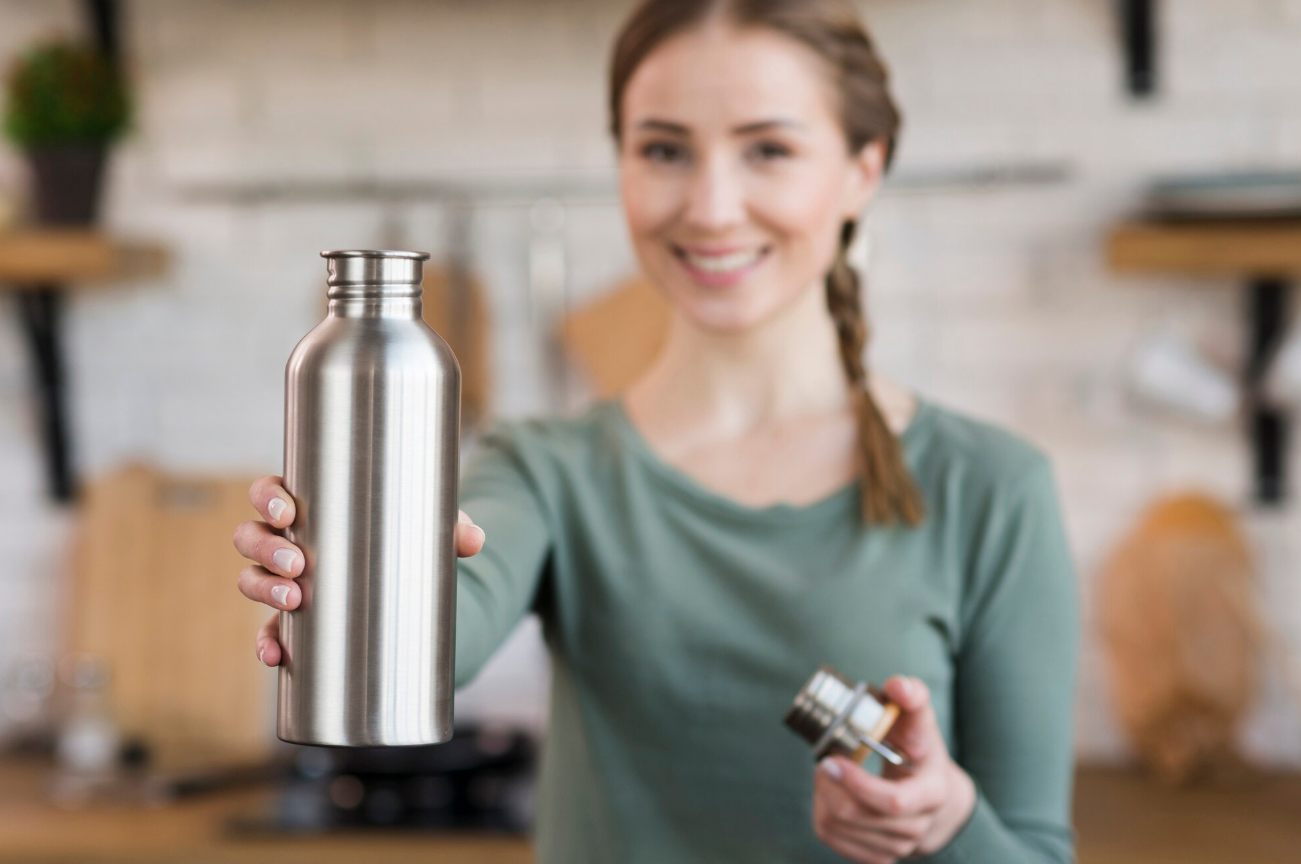
The Hidden Dangers of Your Thermos
A thermos flask or insulated cup seems like a harmless winter essential, but used incorrectly, it can turn into a dangerous weapon. In a shocking case from Sichuan, China, a woman brewed a simple herbal tea in her thermos. Minutes later, a deafening blast ripped through her home, shattering the ceiling and leaving a hole above her dining table.
She was lucky to escape unhurt, but experts warn this was not an isolated freak accident. Certain drinks can ferment, corrode, or trap gas inside insulated bottles, turning them into ticking time bombs. Worse still, some beverages can react with the thermos lining, releasing toxic heavy metals like lead, cadmium, and chromium into your drink. Over time, this could cause brain damage, anemia, or chronic illness.
So, what exactly went wrong, and which drinks should never be stored in a thermos?
The Herbal Tea Explosion Case
The Chinese woman had poured wolfberry tea into her thermos and left it sealed. Wolfberries, red dates, and similar herbal ingredients are rich in sugars and nutrients. Inside a warm, closed container, bacteria and microorganisms thrive.
As they multiply, they trigger fermentation, releasing large amounts of carbon dioxide gas. With no escape route, pressure builds until—BOOM—the thermos explodes, sending liquid, shards, and even metal parts flying. Such explosions can cause serious burns, eye injuries, or blunt trauma if anyone is nearby.
9 Drinks That Should Never Go Into a Thermos
Nine categories of drinks that pose risks if stored in insulated cups or flasks:
1. Fruit Juice, Coffee, Tea, and Herbal Brews
- Why dangerous: These acidic and alkaline substances can corrode the lining of low-quality thermos flasks.
- Risks: May release toxic heavy metals like lead and chromium into the drink. Long-term consumption can damage the brain and nervous system, increasing risks of cognitive decline and neurodegenerative diseases.
2. Milk and Soy Milk
- Why dangerous: Rich in protein and sugar, these drinks spoil quickly when warm.
- Risks: Can cause acute gastroenteritis if consumed after bacteria multiply.
3. Protein-Rich Drinks (e.g., protein shakes)
- Why dangerous: Proteins break down quickly at warm temperatures.
- Risks: High chance of bacterial contamination unless consumed within 2 hours.
4. Carbonated Drinks (Soda, Sparkling Water)
- Why dangerous: Carbon dioxide bubbles increase internal pressure.
- Risks: When opened, the drink may spray out violently—or worse, cause the container to crack.
5. Fermented Dairy Drinks (e.g., yogurt drinks)
- Why dangerous: Acidity plus live bacteria speed up spoilage.
- Risks: May cause stomach upset or explosive gas build-up.
6. Acidic Fruit Juices (like orange, lemon, or tomato juice)
- Why dangerous: Acidity damages the protective lining of some thermos cups.
- Risks: Heavy metals may leach out, making the drink unsafe.
7. Strong Tea & Coffee
- Why dangerous: Leaves stubborn stains and odors that are hard to clean.
- Risks: Can harbor hidden bacteria inside scratches and residues.
8. Chinese Herbal Teas (Goji berry, red dates, etc.)
- Why dangerous: Rich in nutrients that fuel bacterial growth and fermentation.
- Risks: High risk of thermos explosion from gas build-up.
9. Medicinal Decoctions (Boiled herbal medicines)
- Why dangerous: Complex compounds can react with stainless steel and coatings.
- Risks: Potential release of toxins; faster spoilage than plain water.
How to Clean and Maintain a Thermos Safely
Even if you only use your thermos for water, poor cleaning habits can also create health hazards. Follow these steps for safe use:
1. Clean Thoroughly After Every Use
- Always wash and air-dry completely after each use.
- Disassemble the lid and silicone rings to prevent mold.
2. Avoid Dishwashers
- Unless the manufacturer specifies otherwise, hand-wash only.
- Heat and detergents may damage the insulation layer.
3. Skip Bleach and Chlorine Detergents
- Chlorine can corrode stainless steel linings, reducing lifespan.
4. Use Baking Soda for Odors
- Mix 1 teaspoon baking soda with hot water inside the flask.
- Let soak for 30–60 minutes, then rinse thoroughly.
5. Use Soft Tools
- Opt for sponges or soft brushes.
- Avoid steel wool or hard scrubbers that scratch surfaces.
Handle Your Thermos With Care
Your thermos is not a one-size-fits-all solution. While perfect for keeping plain water warm, the wrong drink can transform it into a bacterial breeding ground—or worse, an explosive hazard.
Golden rule: Use your thermos only for plain water or non-acidic, non-protein drinks you’ll finish quickly. For everything else—juices, teas, coffee, milk—choose a glass cup instead.
By knowing what not to pour into your insulated bottle, you protect both your health and your home.