
Hidden Risks in Everyday Water Bottles
Water bottles are part of daily life, but using the wrong bottle material, storing the wrong drinks, or cleaning it incorrectly can cause serious health risks. Studies warn that certain bottles may release toxic chemicals, while leftover drinks can quickly turn into a breeding ground for bacteria and mold.
Even if you drink enough water daily, an improperly used water bottle could actually harm your health instead of improving it. To stay safe, it’s essential to understand the dangers of water bottle misuse and learn the right way to clean and maintain them.
3 Common Mistakes That Make Water Bottles Unsafe
1. Choosing the Wrong Material
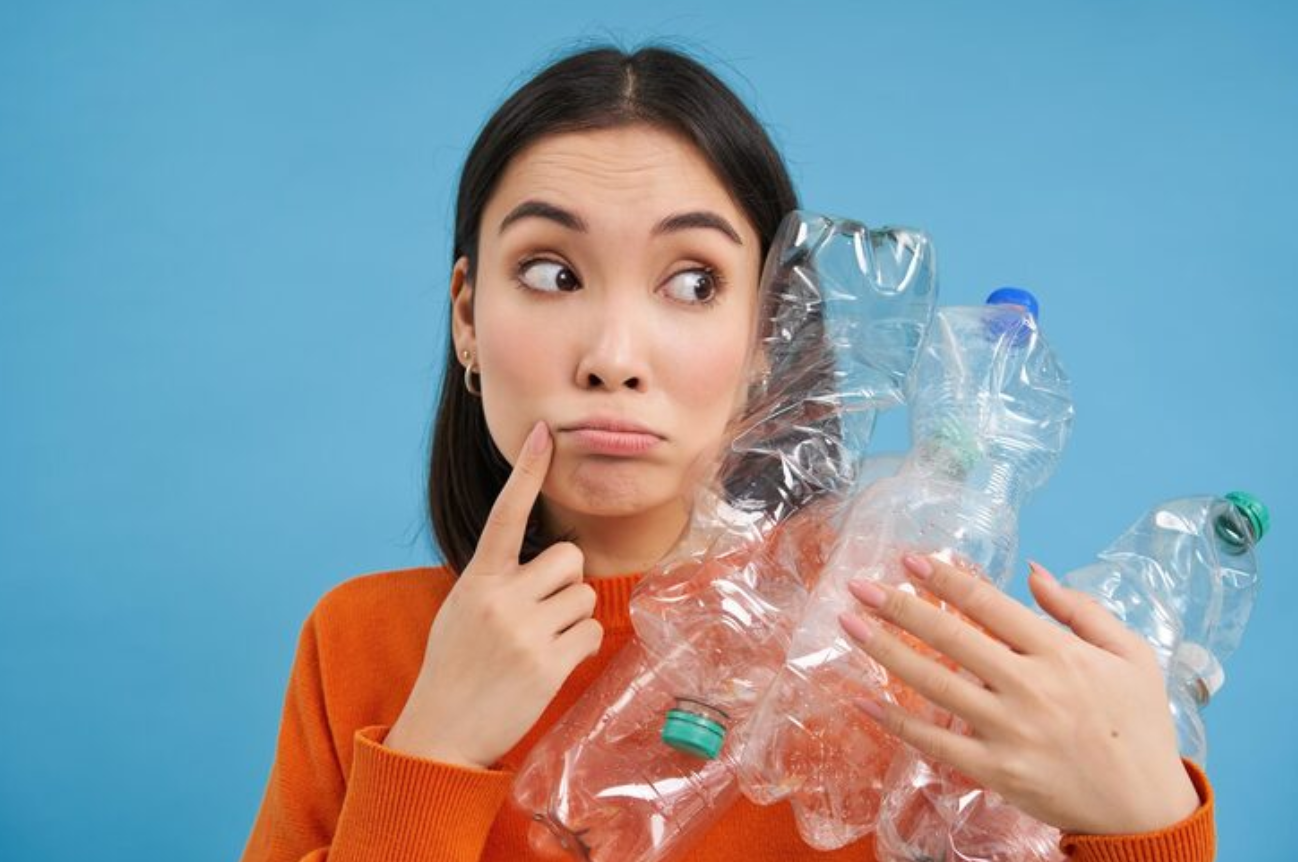
- Reusing disposable plastic bottles (PET/PETE – #1 plastic): Designed for single use, they can release harmful chemicals over time, especially when exposed to heat. The narrow opening also makes them hard to clean.
- Better choices:
- Glass bottles – safest option, free of toxins and odors, but heavy and fragile.
- Stainless steel bottles – durable, good insulation, but ensure it’s food-grade (304 or 316 steel) to avoid heavy metal contamination.
- Ceramic-coated stainless steel – prevents direct metal contact with drinks, reducing metallic taste.
- Safer plastics (PP #5, PC #7) – more heat-resistant, but should still not be left in hot cars or direct sunlight for long.
2. Storing the Wrong Drinks
Some drinks are not suitable for water bottles because they stain, spoil quickly, or promote bacterial growth:
- Coffee, tea, herbal decoctions – contain tannins and pigments that stain and make cleaning difficult, encouraging bacterial buildup.
- Milk, soy milk, latte coffee – rich in protein and sugar, they spoil fast if not washed out immediately, becoming a bacterial hotspot.
- Juice and soft drinks – acidic and sugary, they can erode coatings and leave residues that breed bacteria.
3. Poor Cleaning Habits
- Many believe that if a bottle is used only for water, daily cleaning isn’t needed. Wrong!
- Correct cleaning routine:
- Wash at least once daily with warm water and mild detergent.
- Use a soft-bristled brush to reach corners.
- Pay special attention to the lid, silicone ring, and straw, which trap dirt and moisture.
- Remove and wash silicone gaskets regularly to prevent mold.
- Air-dry upside down to stop bacteria from thriving in damp conditions.
How to Keep Your Water Bottle Safe and Healthy
- Pick glass or stainless steel bottles for daily use.
- Avoid reusing disposable plastic bottles for long periods.
- Never leave milk, juice, or coffee sitting in the bottle for hours.
- Wash and dry thoroughly every single day.
- Replace bottles that develop scratches, cracks, or persistent odors.