
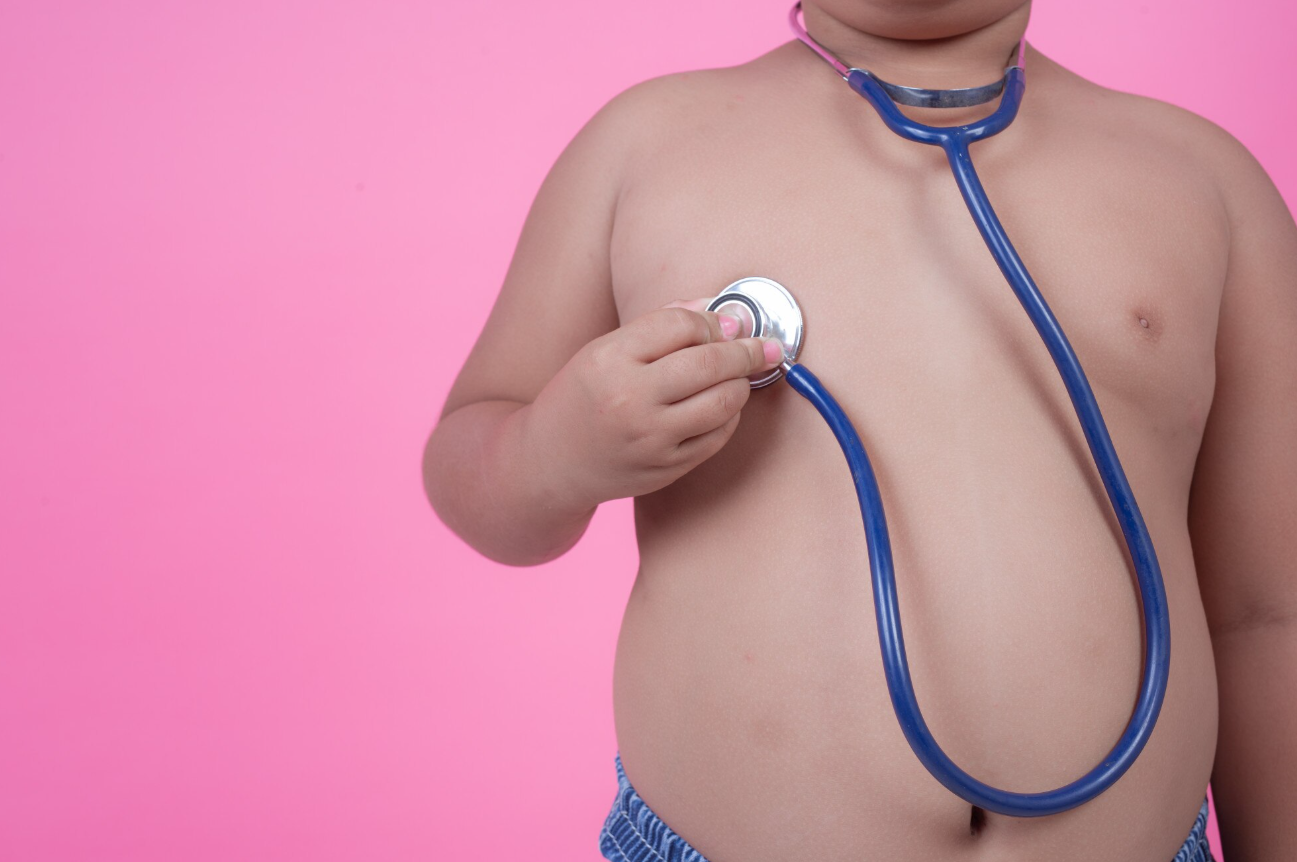
Fatty liver disease is no longer just an adult problem. More and more children are being diagnosed with it due to poor eating habits, obesity, and high-calorie diets. While parents often encourage their kids to eat “healthier” foods like steamed or boiled dishes, not all “light cooking” methods equal low-calorie or balanced nutrition.
A recent case in Taiwan shocked parents: a 12-year-old boy switched to steamed foods to lose weight but instead gained 10kg in a year and developed moderate fatty liver disease. His story reveals the hidden risks of misunderstood diet changes.
Case Study: How a “Healthy Diet” Led to Fatty Liver
Dr. Yung-Hsiang Hung, a nephrologist in Taiwan, shared the case on a TV program:
- The boy originally weighed 70kg and loved fried chicken cutlets.
- Determined to lose weight, he switched to mostly steamed and boiled foods.
- One year later, his weight increased to 80kg instead of dropping.
- Medical tests (ultrasound and bloodwork) showed abnormal liver function and moderate fatty liver disease.
What went wrong?
On further questioning, the doctor discovered the boy’s diet consisted mainly of:
- Dumplings and soup buns (steamed but filled with fatty pork belly and starchy wrappers)
- Eating up to 20 dumplings per meal
- Pairing meals with thickened soups (e.g., hot and sour soup)
- Overall calorie intake far exceeded healthy limits
“Steamed” does not always mean healthy. Ingredients, portion size, and balance matter more than the cooking method.
How the Boy Reversed His Fatty Liver in 6 Months
Dr. Hung advised:
- Cutting out dumplings and buns
- Adding more vegetables for fiber, which increases satiety and helps bind and excrete fat
- After 6 months:
- Weight dropped from 80kg to 60kg
- Fatty liver improved from moderate to mild
Lesson: Children’s fatty liver is often linked to diet mistakes. Parents must supervise food quality, not just cooking style.
What Is Fatty Liver Disease?
Fatty liver disease (also called hepatic steatosis) happens when excess fat builds up in liver cells.
Two Main Types:
- Alcoholic fatty liver disease – caused by heavy drinking
- Non-alcoholic fatty liver disease (NAFLD) – unrelated to alcohol, often linked to obesity, diabetes, and high cholesterol
Globally, 1 in 4 adults now has NAFLD.
6 Common Symptoms of Fatty Liver:
- Loss of appetite
- Nausea or vomiting
- Pain/discomfort in the upper right abdomen
- Fatigue
- Enlarged liver (in more severe cases)
- In advanced cases, progression to liver fibrosis, cirrhosis, or liver cancer
The Dangers of Untreated Fatty Liver
If ignored, fatty liver can progress to:
- Steatohepatitis (inflammation of the liver)
- Fibrosis (scarring of the liver)
- Cirrhosis (severe, irreversible liver damage)
- Liver failure or liver cancer
Currently, no approved medications exist to cure non-alcoholic fatty liver disease. Lifestyle changes are the best prevention and treatment.
6 Tips to Prevent and Improve Fatty Liver
1. Maintain a Healthy Weight and Waistline
- Target BMI: 18.5 – 22.9
- Waist circumference: <90cm for men, <80cm for women
2. Eat a Balanced Diet
- At least 5 servings of fruits and vegetables daily (rich in antioxidants)
- Include fish with Omega-3 fatty acids
- Avoid high-sugar, high-fat, and high-salt foods
3. Stay Physically Active
- Adults: 150 minutes of moderate exercise per week (brisk walking, swimming, cycling)
- Or 75 minutes of vigorous exercise (running, fast swimming, intense cycling)
- Children & teens: 60 minutes of activity daily
4. Avoid Alcohol
- Over 90% of heavy drinkers develop alcoholic fatty liver disease
5. Don’t Smoke
- Smoking worsens insulin resistance and speeds up fatty liver progression
6. Control Blood Sugar, Blood Lipids, and Blood Pressure
- Blood pressure: <120/80 mmHg
- Fasting blood sugar: <5.6 mmol/L
- Total cholesterol: <5.2 mmol/L
Beyond Cooking Methods
This boy’s story is a wake-up call: steamed does not always mean healthy. Choosing dumplings or buns daily—even if steamed—can overload calories and fats, causing childhood obesity and fatty liver.
The good news? With the right diet and lifestyle changes, fatty liver is often reversible in its early stages. Parents should pay attention to not only cooking methods but also food ingredients, portion sizes, and balance.