
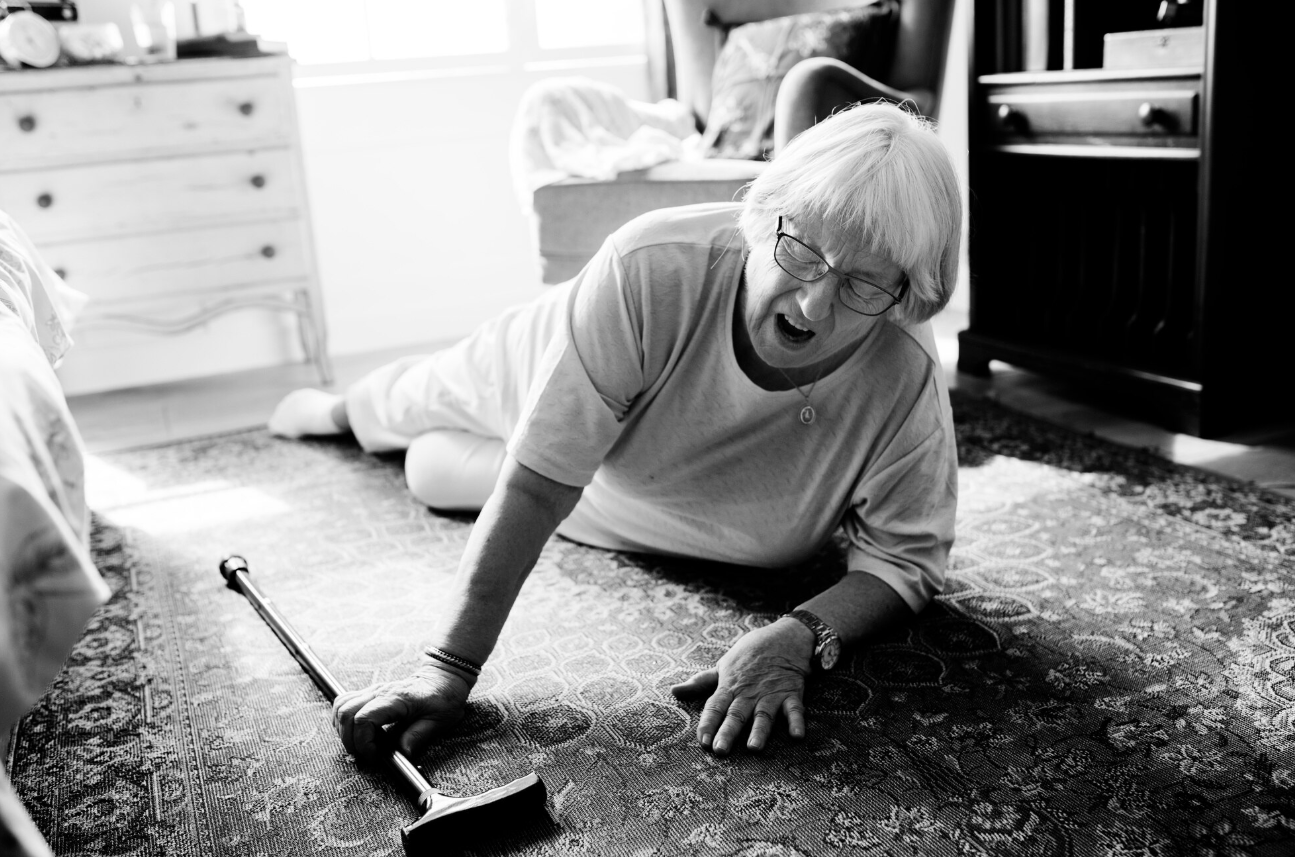
A sudden fall is more than just an accident for an older adult; it can be a life-altering event. Statistics are sobering: in the US, over 14 million older adults (approximately 27.6%) report falling each year. Among those who fall, about 37% experience an injury, which can include fractures. Globally, the World Health Organization states that falls account for a staggering 40% of all injury-related deaths. The key to safety isn’t just luck—it’s proactive prevention.
The 6 Major Risk Factors That Lead to Falls
Understanding why falls happen is the first step to preventing them. Risks come from a combination of factors:
- Age-Related Physical Decline: Loss of muscle mass (sarcopenia), poor balance, slower reflexes, and conditions like stroke or Parkinson’s disease. Vision problems make it hard to see obstacles, and chronic illnesses like diabetes or arthritis can impair sensation.
- Medication Side Effects: Drugs for blood pressure, pain, or mental health can cause dizziness, drowsiness, and low blood pressure upon standing.
- Environmental Hazards: The most common culprits include cluttered floors, loose rugs, poor lighting, and slippery or uneven surfaces outdoors.
- Improper Footwear and Clothing: Loose pants that drag on the floor, ill-fitting shoes, or worn-out soles with poor grip significantly increase the risk of tripping.
- Behavioral Factors: Rushing, walking while distracted (e.g., on the phone), or overestimating one’s own abilities.
- Lifestyle Habits: Alcohol consumption impairs balance and judgment.
The 3-Step Self-Test for Fall Risk
You can assess your baseline stability at home with these simple tests. Always perform them near a sturdy chair or wall for support.
- The Sit-to-Stand Test:
- Sit in a chair with your arms crossed over your chest.
- Stand up fully and then sit back down, repeating this five times as quickly as you can.
- Low Risk Indicator: Completing five stands in less than 12-15 seconds.
- The Tandem Stance (Heel-to-Toe):
- Stand with one foot directly in front of the other, so the heel of your front foot touches the toes of your back foot.
- Try to hold this position for 10 seconds.
- The Single-Leg Stance:
- Stand on one foot with your hands on your hips.
- Try to hold your balance for 10 seconds on each leg.
If you struggle with any of these tests, it’s a clear sign to focus on improving your balance and strength.


Daily Habits to Drastically Reduce Fall Risk
Small changes in your daily routine can make a big difference:
- Stay Focused: Avoid distractions like your phone when walking or using stairs. Always hold the handrail.
- Choose the Right Gear: Wear well-fitting, low-heeled shoes with non-slip soles. Avoid long, loose clothing.
- Make Your Home Safe: Improve lighting, remove clutter, secure loose rugs, and install grab bars in the bathroom.
- Move Mindfully: Get up slowly from bed or a chair. Sit on the edge for 30 seconds before standing to prevent dizziness.
- Never Climb Unsafely: Use a proper step stool, never a chair, to reach high places.
The 5 Essential “Anti-Fall” Home Exercises
The most powerful prevention is building a stronger, more stable body. Practice these exercises daily to improve leg strength and balance. Use a chair or wall for support as needed.
- Heel Raises:
- Stand tall and slowly rise onto your tiptoes.
- Hold for 5 seconds, then lower slowly.
- Reps: 8-10
- Chair Pose (Invisible Chair):
- Stand with feet shoulder-width apart.
- Slowly lower your hips as if sitting back into a chair, keeping knees behind your toes.
- Hold for 5 seconds, then stand.
- Reps: 8-10
- Sit-to-Stands:
- From a seated position, stand up without using your hands (or use as little as possible).
- Then, slowly and controlled, sit back down.
- Reps: 8-10
- Heel-to-Toe Walk (Static Hold):
- Stand with one foot directly in front of the other.
- Hold this tandem stance for 10-30 seconds.
- Reps: 3-5 per side
- Single-Leg Stands:
- Lift one foot slightly off the ground and balance on the other leg.
- Hold for 10-30 seconds.
- Reps: 3-5 per leg
By combining environmental safety, mindful daily habits, and consistent strength and balance training, you can significantly “fall-proof” your body and your home, ensuring you remain active, independent, and safe.