
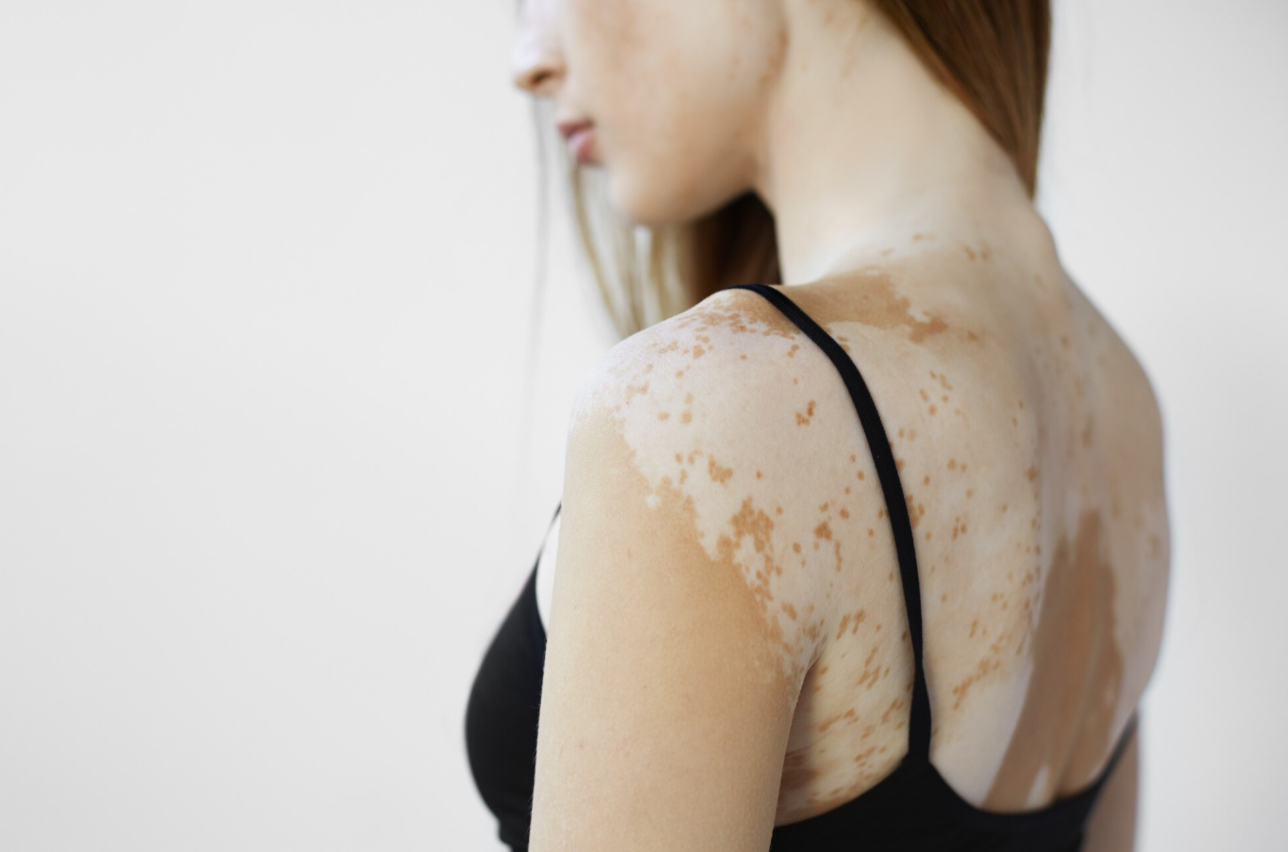
As temperatures and humidity rise, you might notice unusual discolored patches appearing on your skin. This common summer skin condition, often mistaken for vitiligo or heat rash, is actually Tinea Versicolor (also known as Pityriasis Versicolor). Contrary to what its name suggests, it’s not caused by sweat but by a type of yeast that naturally lives on our skin.
What Exactly is Tinea Versicolor?
Tinea versicolor is a common fungal infection of the skin caused by an overgrowth of yeast called Malassezia. This yeast is normally a harmless resident on our skin, feeding on the natural oils (sebum) in our pores. However, under the right conditions, it can grow out of control, leading to a visible skin reaction.
The 5 Key Factors That Trigger an Outbreak
Think of your skin as an ecosystem. When the balance is upset, the normally peaceful Malassezia yeast can “rebel” and cause problems. The main triggers include:
- Hot, Humid Weather: This yeast thrives in warm, moist environments, making summer and tropical climates prime time for outbreaks.
- Oily Skin: Since Malassezia feeds on skin oils, individuals with oily skin (or those using oily skincare products) are more susceptible.
- A Weakened Immune System: People with compromised immunity are at a higher risk of all types of infections, including fungal ones.
- Excessive Sweating: Heavy sweating creates the perfect, damp “greenhouse” for the yeast to multiply rapidly.
- Hormonal Changes: Fluctuations during puberty, pregnancy, or from certain medications like steroids can also promote overgrowth.
In essence, a hot, humid environment acts as the perfect incubator, and abundant sebum provides the food, creating an ideal “petri dish” for Malassezia to transform from a harmless commensal organism into a problematic pathogen.

Where It Appears and What to Look For
Tinea versicolor typically appears on areas of the body that are oily and sweaty. The most common locations are the:
- Chest
- Upper back
- Shoulders
- Upper arms
The most distinctive sign is the appearance of discolored patches on the skin. As the yeast disrupts the normal production of melanin (skin pigment), these patches can be:
- White (hypopigmented)
- Pink or Red (especially in early stages)
- Light or Dark Brown (hyperpigmented)
The patches are often irregularly shaped and may have a fine, subtle scaling or feel slightly rough to the touch. This variety in color is why it’s called “versicolor,” which means “varied in color.”
Is Tinea Versicolor Contagious? And How Long Does It Last?
This is a key question for many. While tinea versicolor is technically a contagious infection because it is caused by a fungus, it is only mildly so. The yeast is already present on most people’s skin. It’s the individual’s skin environment that determines if an overgrowth occurs. Nevertheless, it’s still a good practice to avoid sharing towels, clothing, or other personal items during an active infection.
Another important point is patience during recovery. The discolored patches, especially the white spots, can last for weeks or even months after treatment has killed the fungus. This is because it takes time for your skin to naturally shed the affected cells and for your normal pigmentation to return. Don’t be discouraged if the spots are still visible after you’ve started treatment; this is normal.