
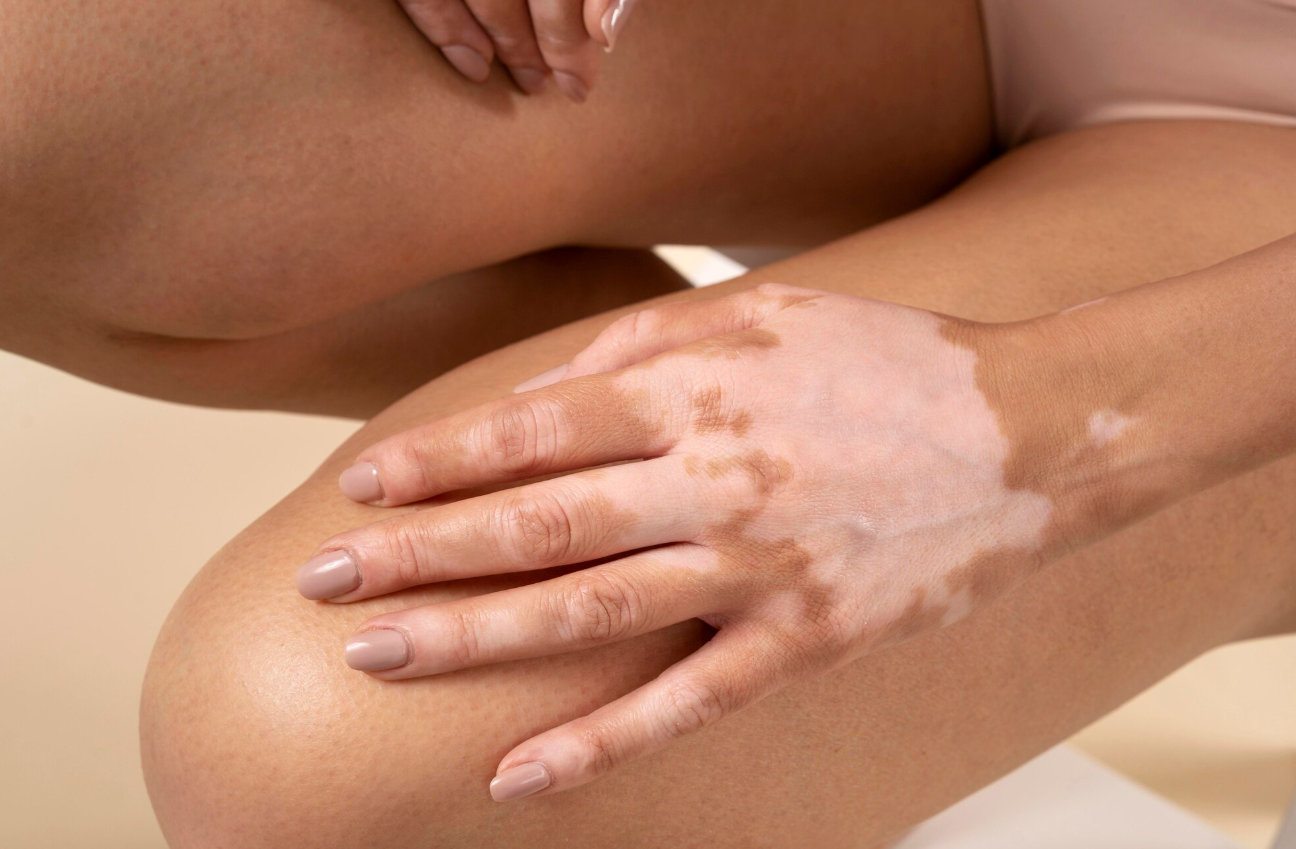
Dealing with tinea versicolor can feel like a never-ending battle. You treat the discolored patches, only for them to reappear when the weather gets warm and humid again. While topical antifungal medications are the primary treatment, long-term victory comes from a strategic prevention plan that strengthens your body’s defenses from the inside out and creates an environment where the fungus can’t thrive.
The Dietary Defense: 6 Immune-Boosting Nutrients
Since tinea versicolor is often linked to a temporary dip in immune function, fueling your body with the right nutrients can help keep the fungus in check.
- Vitamin A (Carrots, Pumpkin, Liver): Maintains the health of your skin’s mucous membranes, which is your body’s first line of defense.
- Vitamin C (Guava, Cherry Tomatoes, Kiwi): A powerful antioxidant that protects skin cells from damage and promotes repair and regeneration.
- Vitamin D (Sun-dried Mushrooms, Eggs): Offers anti-inflammatory benefits, regulates skin cell growth, and plays a key role in immune system regulation.
- Omega-3 Fatty Acids (Salmon, Mackerel, Flaxseed Oil): Reduces systemic inflammation, protects against UV damage, and helps regulate skin oil production and hydration.
- Selenium (Brown Rice, Tuna): Strengthens the body’s overall antioxidant capabilities and helps slow skin inflammation.
- Dietary Fiber (Various Vegetables & Fruits): Promotes healthy metabolism and gut health, which is intricately linked to skin health and immunity.
The #1 Product to Avoid: Heavy Oils
If you are prone to tinea versicolor, you must be selective with your skincare. The most important product to avoid is heavy, oily skincare products.
The Malassezia yeast that causes tinea versicolor feeds on oils (sebum). Slathering your skin in rich, occlusive oils or greasy creams provides a literal feast for the fungus, encouraging it to overgrow. Especially in the summer, opt for lightweight, oil-free, and non-comedogenic moisturizers that hydrate without adding fuel to the fire.

Foods That Fuel the Fungus
Just as some foods can help, others can significantly hinder your progress. The following promote inflammation, increase skin oiliness, and lower your skin’s natural protective abilities:
- Alcohol
- Fried Foods
- High-Sugar Foods and Drinks
Minimizing these in your diet is a crucial step in creating an internal environment that is resistant to fungal overgrowth.
The 4-Part Prevention Plan to Stop Recurrence
Make these habits part of your daily routine to keep your skin clear.
- Prioritize Dryness: If you have oily skin or have been sweating, shower immediately and thoroughly dry off, paying close attention to your back, chest, and other high-risk areas. Change into clean, dry clothes as soon as possible.
- Wear Smart Fabrics: Choose lightweight, breathable, and moisture-wicking clothing like cotton. Avoid synthetic fabrics like nylon that trap heat and moisture against your skin.
- Use Antifungal Products Proactively: During humid seasons, use an antifungal shampoo or body wash (with ingredients like selenium sulfide or ketoconazole) on your torso and back a few times a week as a preventive measure.
- Stick to a Non-Oily Skincare Routine: As mentioned above, diligently avoid oily products. Keep your skin clean and hydrated with products that won’t clog pores or feed yeast.
By combining a smart diet with strategic skincare and lifestyle habits, you can break the cycle of recurrence and enjoy healthier, clearer skin all year round.