
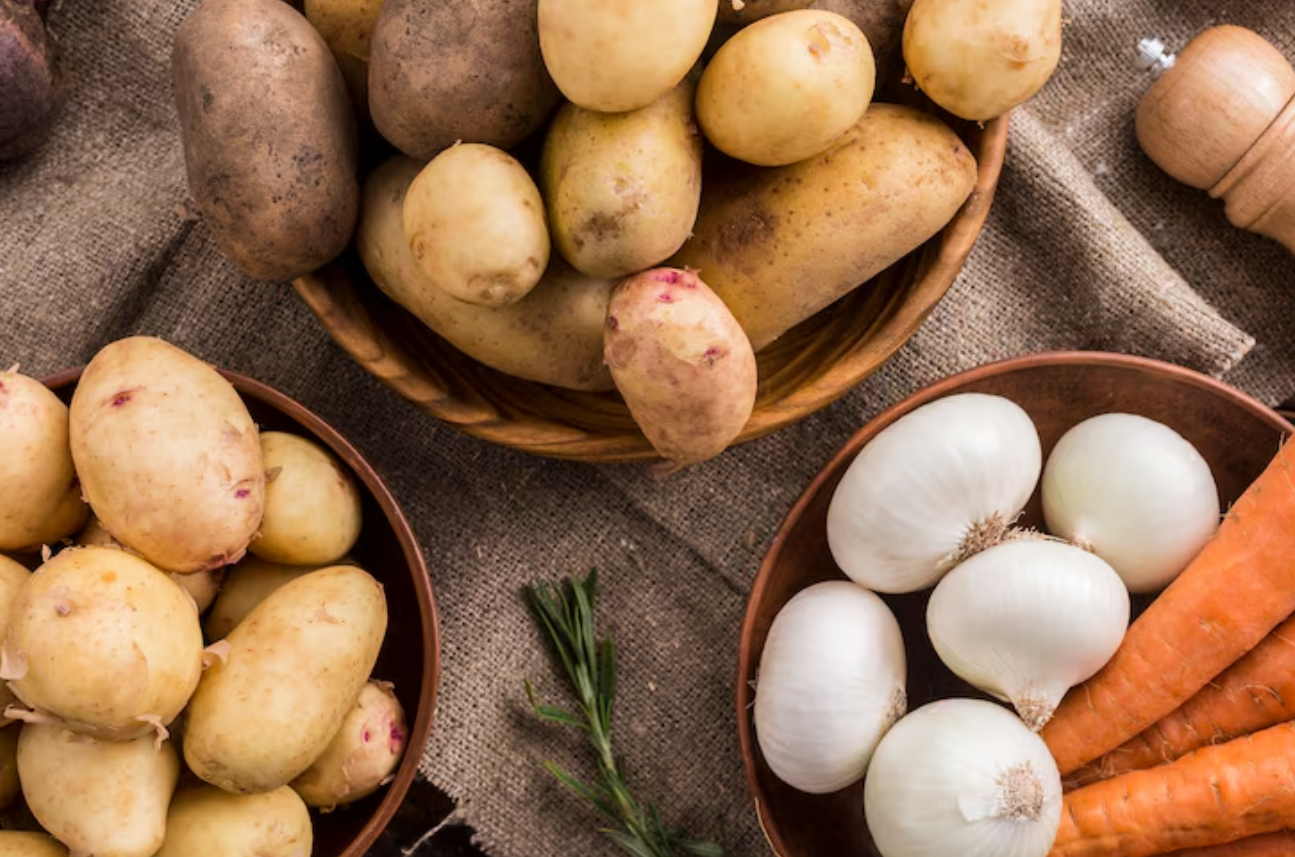
When Sprouts Turn Sour
Imagine grabbing a potato from the pantry with tiny sprouts, tossing them aside, but keeping the rest — and later getting violently sick. It happens more often than you think. Germinated (sprouted) or sprouting produce like potatoes, sweet potatoes, garlic, carrots, ginger, and peanuts can carry hidden health risks if eaten wrongly. Some sprouted potatoes can even produce solanine, a natural toxin powerful enough to cause nausea, vomiting, and even neurological symptoms. Your kitchen might be safer than you think — just know which sprouts are safe to eat.
Symptoms / Warning Signs
If you eat a sprouted food that isn’t safe, you might experience:
- Upset stomach: nausea, vomiting, diarrhea shortly after eating.
- Neurological effects in worse cases: headache, dizziness, confusion.
- Allergic or irritation signs: burning or tingling in mouth, throat discomfort.
Which Sprouts Are Dangerous & Why
Here’s what doctors say about sprouting in common foods and its risks:
| Food | Is It Safe to Eat Sprouted? | What Happens Risk-Wise |
|---|---|---|
| Potato | Unsafe. Discard potatoes that have sprouted or turned green. | Produces solanine, which can cause vomiting, headaches, or even neurological symptoms. |
| Sweet Potato | Safe. Sprouts are edible but flavor/textures change. | May taste bitter; texture softer but not toxic under normal cooking. |
| Garlic | Safe. Sprouts are edible, may have different flavor, perhaps more antioxidants. | Aged garlic must be stored properly; sprouting doesn’t make garlic dangerous. |
| Carrot | Safe. Sprouts fine; may lose crisp texture. | Best if planted or composted, but small sprout doesn’t pose poisoning risk. |
| Ginger | Safe. Old ginger sprouting is okay; use with caution if soft or mouldy. | If appearance is degraded or smell is off, discard. |
| Peanut | Proceed with caution. Sprouted peanuts may carry risks if mold grew or storage was poor. | Possible aflatoxin contamination; quality and handling matters. |
Why Sprouts Turn Toxic?
- Natural toxin build-up: Especially in potatoes, solanine increases with greening or sprouting. This chemical deters pests but harms humans.
- Moist and warm storage: Ideal for sprouting but also for mold or bacterial growth, which can produce toxins like aflatoxins in peanuts.
- Light exposure: Causes green pigmentation in potato skin (chlorophyll) and increased solanine.
How to Handle Sprouted Foods Safely?
Here are 4 doctor-advised tips to reduce risk:
1. Inspect and discard bad ones
- Throw away potatoes that are sprouting heavily or have turned green.
- If spuds have small eyes/sprouts, cut them off and peel thoroughly.
2. Store correctly
- Keep root vegetables (like potatoes, sweet potatoes, ginger) in cool dark places.
- Store peanuts in airtight dry containers, avoid heat.

3. Cooking methods matter
- Boiling or frying potatoes after peeling removes much of solanine.
- Avoid eating raw sprouted nuts unless you know they are mold-free.
4. Watch for digestive or allergic responses
- If you feel nauseous, vomit, or have stomach pain after eating sprouted foods, seek medical advice.
- People with sensitive stomachs or compromised immunity should be especially careful.
Keep Sprouts from Sprouting Danger
Sprouting isn’t always dangerous — many sprouted vegetables are fine if handled properly. But some, like potatoes or poorly stored peanuts, can hide nasty risks. Don’t let a cute little sprout ruin your health. Be vigilant: inspect, store well, cook smart, and when in doubt — throw it out.