
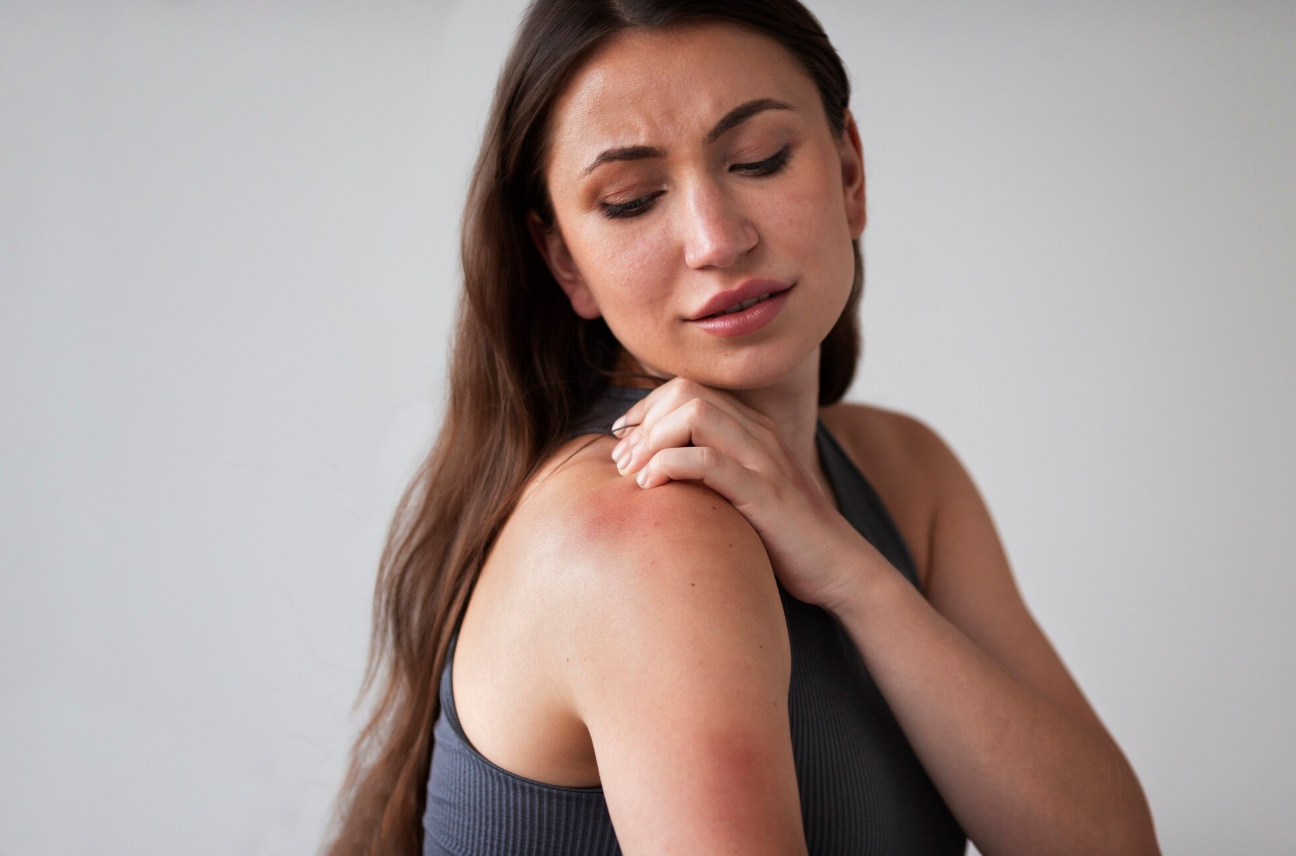
That overwhelming urge to scratch an unbearable itch—and the instant relief that follows—is a universal experience. But that temporary satisfaction comes at a cost. A groundbreaking new study published in the prestigious journal Science reveals a vicious cycle: scratching doesn’t just irritate the skin; it actively worsens underlying inflammation and can make the entire condition more severe.
The Vicious Itch-Scratch-Inflammation Cycle
The research focused on allergic contact dermatitis, a common skin inflammation caused by allergens like nickel in jewelry, ingredients in cosmetics, or detergents. This condition leads to itchy rashes, dry skin, blisters, and a burning sensation.
To understand the role of scratching, researchers conducted experiments on mice exposed to an itch-causing allergen. They compared normal mice with mice genetically modified not to feel itch. Some of the normal mice were also fitted with tiny Elizabethan collars to prevent them from scratching.
The results were striking: The mice that could scratch developed significantly worse swelling and had a much higher number of inflammatory cells in their skin. The mice that couldn’t feel the itch or were prevented from scratching had far milder reactions.
The Biological Reason Scratching Backfires
The scientists dug deeper and discovered the precise biological mechanism. They found that the act of scratching triggers pain-sensing neurons in the skin to release a chemical signal called Substance P.
This substance then goes on to activate mast cells, which are key players in the immune system’s inflammatory response. When these mast cells are activated, they release a flood of histamines and other inflammatory agents, dramatically escalating the inflammation and, ironically, leading to more itching. This creates a self-perpetuating loop: itch → scratch → Substance P → mast cell activation → more inflammation → more itch.

A Surprising Potential Benefit—With a Major Caveat
In a fascinating twist, the research also suggested a potential defensive upside to scratching. The experiments showed that scratching could reduce the levels of Staphylococcus aureus, a common source of skin infections, on the skin’s surface.
This implies that the instinct to scratch might have evolved as a crude way to dislodge pathogens. However, the researchers were quick to emphasize that this minor benefit is overwhelmingly outweighed by the damage. The broken skin barrier and intensified inflammation from chronic scratching cause far more harm than good.
Future Treatments and What to Do Now
This discovery opens a promising new path for treatment. The research team is now exploring anti-inflammatory therapies that target this specific pathway, particularly the mast cells. Such future drugs could provide much-needed relief for people with chronic inflammatory skin conditions like eczema, rosacea, and psoriasis.
In the meantime, dermatologists strongly recommend breaking the cycle by using alternatives to scratching:
- Apply a cold compress to numb the area and reduce inflammation.
- Use a rich, fragrance-free moisturizer regularly to repair the skin barrier.
- Apply over-the-counter anti-itch creams containing hydrocortisone or calamine.
The next time an itch strikes, remember this research. Fighting the immediate urge to scratch is a crucial step toward allowing your skin to truly heal.