
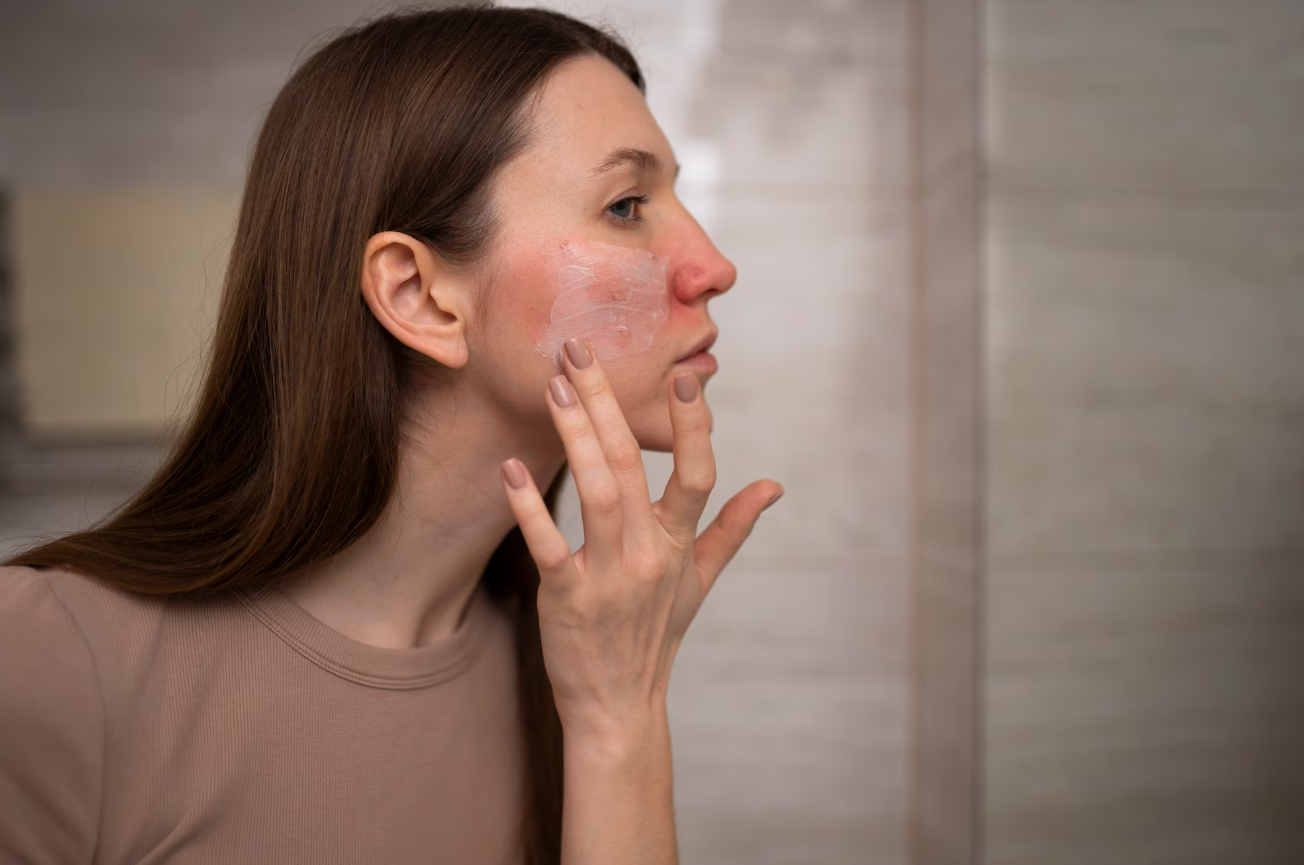
If your eczema or atopic dermatitis seems to be in a constant flare-up during these days of unpredictable weather, you’re not alone. Dermatologists report a significant surge in cases when temperatures and humidity levels swing wildly. This environmental rollercoaster can severely compromise your skin’s first line of defense, leading to intense itching, redness, and a risky cycle of scratching.
Why Your Skin Freaks Out When the Weather Changes
The sudden shifts between cold/dry and warm/humid air are a major trigger for inflammatory skin conditions. Your skin’s barrier becomes weak and vulnerable, losing moisture rapidly and becoming dry and cracked.
These microscopic cracks are more than just uncomfortable; they act as open gates for allergens and irritants to enter, triggering the immune system and launching a full-scale inflammatory response that manifests as the classic red, itchy, and scaly patches of eczema.
The Critical Warning: Scratching Can Lead to Serious Infection
The intense itch of eczema can feel unbearable, but giving in to the urge to scratch is where the real danger begins.
- Eczema is a general term for a group of conditions that cause skin inflammation, resulting in redness, itching, and sometimes blistering.
- Atopic Dermatitis is the most common, chronic type of eczema, often linked to genetics and occurring alongside asthma and hay fever.
When you scratch, you damage the skin’s surface. Breaking the skin creates open wounds that are highly susceptible to bacterial infection, most notably cellulitis—a painful and potentially serious bacterial infection of the deeper layers of the skin. If your flare-ups are disrupting your sleep, work, or daily life, seeking medical help early is crucial to control the inflammation and prevent such complications.

Effective Treatment Options Are Available
The good news is that eczema is highly manageable with the right treatment plan. Doctors have a range of effective tools:
- First-Line Treatments: This includes daily moisturizing creams, topical corticosteroids to reduce inflammation, topical calcineurin inhibitors (non-steroid immunomodulators), and oral antihistamines to control itch. Narrowband UVB phototherapy is also a highly effective option for many.
- For Moderate to Severe Cases: Short-term oral or injectable steroids can quickly bring a severe flare under control.
- For Severe, Resistant Atopic Dermatitis: Advanced treatments like oral immunosuppressants, biologics (subcutaneous injections), and the newest oral targeted small molecule drugs offer remarkable results without the long-term side effects associated with steroids.

6 Essential Tips to Prevent Eczema Flare-Ups
Managing eczema is a daily practice. Incorporate these six strategies into your routine to build a stronger skin barrier and prevent flare-ups.
- Moisturize Religiously: The single most important step. Apply a thick, fragrance-free moisturizer immediately after bathing to lock in hydration.
- Choose Gentle Cleansers: Avoid hot water and harsh soaps. Use lukewarm water and mild, scent-free cleansers that won’t strip your skin’s natural oils.
- Wear Breathable Fabrics: Opt for soft, cotton clothing that allows your skin to breathe. Avoid wool and synthetic fabrics that can be itchy and irritating.
- Identify and Avoid Triggers: Work with your dermatologist to identify your personal allergens (e.g., dust mites, certain foods, pollen) through testing if necessary.
- Manage Your Stress: Stress is a powerful trigger for inflammation. Practice stress-reduction techniques like meditation, yoga, or regular exercise.
- Stop the Scratch Cycle: When you feel the itch, do not scratch. Instead, apply your moisturizer, a prescribed anti-itch cream, or a cold compress to the area to calm the sensation safely.