
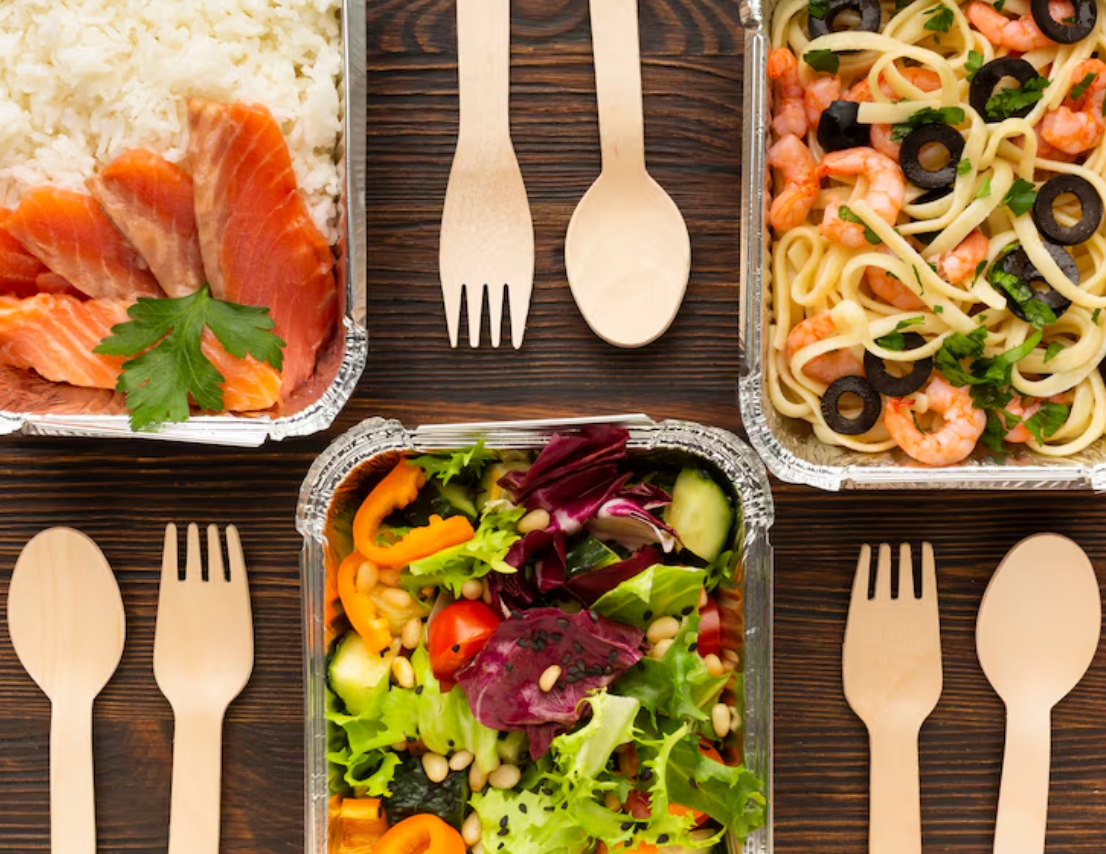
A routine meal of homemade fried rice recently sent a Chinese man into intensive care, highlighting a severe and often overlooked kitchen hazard known as “Fried Rice Syndrome.” This alarming incident serves as a critical reminder of the dangers posed by improperly stored leftovers. The man, who used two-day-old refrigerated rice, rapidly developed violent abdominal pain, vomiting, and shock. His case underscores how common food storage mistakes can activate heat-resistant toxins produced by bacteria, turning a simple dish into a medical emergency.
Understanding the Invisible Culprit: Bacillus cereus
Fried Rice Syndrome is a specific type of food poisoning linked to cooked rice and other starchy foods that have been left at room temperature for too long. The primary agent is Bacillus cereus, a common environmental bacterium whose spores survive the cooking process. Once rice is cooked and begins to cool, these spores can germinate if the rice is kept in the “danger zone” between 4°C and 60°C for more than two hours.

The bacteria multiply rapidly, producing two main types of toxins. One causes vomiting, and the other leads to diarrhea. The critical danger lies in the fact that while reheating the rice may kill the live bacteria, the vomiting toxin is remarkably heat-stable. It can withstand temperatures as high as 126°C for up to 90 minutes, meaning a quick stir-fry is powerless to deactivate it. Symptoms from this toxin can strike with shocking speed, often within 30 minutes to 6 hours of consumption.
The Ultimate Guide to Safe Leftovers: Prevention Over Cure
To protect yourself from not only Bacillus cereus but other common pathogens like Staphylococcus aureus and Salmonella, adopting rigorous food safety practices is essential.
The first line of defense is proper cooling and storage. When preparing large batches of food like stews or curries, divide them into smaller, shallow containers immediately after cooking. This allows the food to cool rapidly and evenly. Leftovers should be refrigerated within one hour of being served, as leaving them on the counter provides an ideal breeding ground for bacteria. It is a common misconception that keeping food warm in a rice cooker is safe; most cookers maintain a temperature below 60°C, which is insufficient to prevent bacterial growth.

When it comes to reheating, ensure the core temperature of the food reaches at least 70°C to destroy most viable bacteria. However, remember that this will not eliminate any pre-formed toxins. A key rule is to reheat leftovers only once; repeatedly cooling and reheating food dramatically increases the risk of contamination. Most cooked dishes can be safely stored in the refrigerator for 1-2 days, but should not be kept for more than three days.
Beyond Rice: High-Risk Foods That Demand Caution
The threat of foodborne illness extends far beyond leftover rice. Several other common foods require vigilant handling.
1. Fermented Rice (Jiuniang):
This sweet fermented treat, made from glutinous rice, shares the same risk profile as plain rice. Its moist, starchy base is a perfect medium for Bacillus cereus if left at room temperature. It should always be stored in a clean, sealed container in the refrigerator and consumed within a week, or frozen for longer storage.

2. Black Fungus (Wood Ear Mushrooms):
This ingredient poses a unique and severe threat if soaked incorrectly. Prolonged soaking at room temperature (especially overnight) can lead to the production of Bongkrekic Acid, a potent and often fatal toxin that is not destroyed by cooking. To stay safe, soak only as much as you need—using hot water for no more than 30 minutes or cold water for up to 2 hours—and discard any leftover soaked fungus that has been in the fridge for more than 24 hours.

3. Seafood:
Fish, prawns, and crabs are rich in protein, which bacteria love. When left overnight, even when refrigerated, they can quickly develop high levels of bacteria and their toxins. It is always best to consume seafood immediately after cooking.

4. Soft-Boiled Eggs (Runny Yolks):
Eggs with soft yolks have not been pasteurized to a temperature that kills Salmonella. Storing them for extended periods allows any surviving bacteria to multiply. If you prepare soft-boiled eggs, cool them rapidly in ice water and store them in a sealed container in the fridge for no more than 24 hours.

The case of Fried Rice Syndrome is a powerful lesson in microbial respect. Safe food handling is not just about avoiding waste; it’s a critical health practice. By understanding the science of how toxins form and adhering to strict rules for cooling, storage, and reheating, you can confidently enjoy your leftovers without fearing a trip to the hospital.