
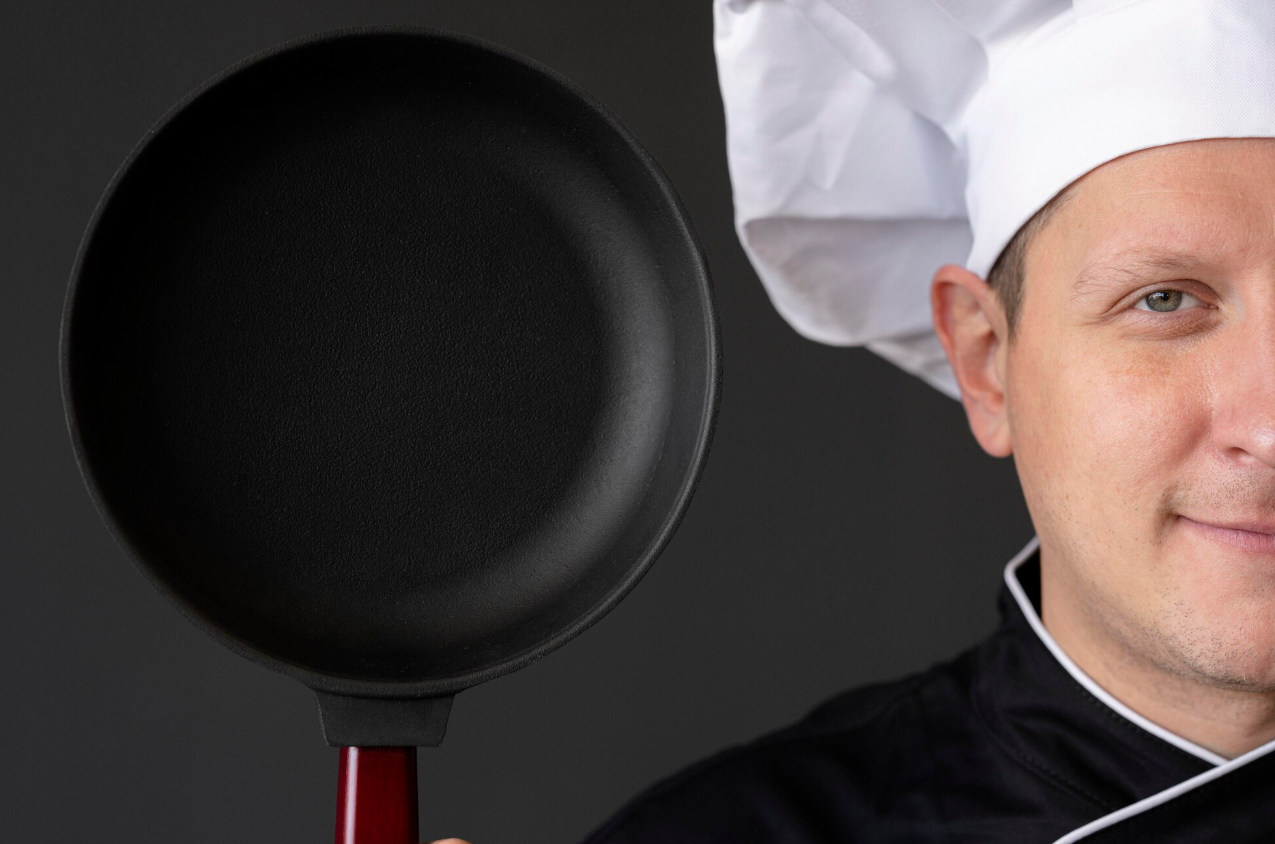
The convenient non-stick surface that makes cooking and cleaning effortless may come with a hidden health cost that’s just beginning to enter public awareness. Recent studies by university and consumer health experts have highlighted the potential dangers of damaged non-stick cookware: even a slight scratch can release thousands—sometimes millions—of microscopic plastic particles and chemical substances into your food. Understanding the real risks, and how to use these pans safely, is crucial for every home cook.
The Science Behind Non-Stick Risks
Non-stick pans typically use a coating called PTFE (most famously known as Teflon), which provides the slick, easy-release surface prized by many cooks. Research using advanced analytical techniques has shown that even minor scratches or cracks in the coating can release large numbers of microplastic and nanoplastic particles—all invisible to the naked eye—into your meals. For example, in one laboratory study, a single 5 cm scratch produced over 9,000 tiny plastic fragments, while severely damaged areas released up to 2.3 million particles during cooking.

Beyond the plastic particles themselves, many non-stick coatings also contain PFAS (per- and polyfluoroalkyl substances)—sometimes called “forever chemicals.” These compounds are valued for their durability but can persist in the environment and in human tissues for years. Studies link PFAS to increased risk of certain cancers, immune disorders, and reproductive problems, partly because it can take the body several years to clear just half the amount of ingested PFAS.
Are All Non-Stick Pans Dangerous?
Not necessarily. According to recent reviews by health and consumer safety experts, new and undamaged non-stick pans made by reputable brands are considered safe for use at usual cooking temperatures. The primary safety concerns arise when the non-stick surface is scratched, degraded, or exposed to excessive heat—especially with older pans that may have less stable coatings.

There is no strong scientific evidence to show that properly maintained, high-quality non-stick pans pose a health risk in day-to-day home use. However, regular inspection and timely replacement of worn pans remains essential for minimizing any potential hazards. Heating an empty pan to high temperatures or continuing to use cookware with peeling coatings can increase the risk of exposure to both microplastics and chemical residues.
Beware of Low-Quality Cookware
Not all non-stick pans are created equal. Reliable laboratory tests in multiple countries show that well-made, high-quality non-stick cookware from established manufacturers release chemicals and metals at levels far below safety limits—provided they are cared for correctly. Cheap or counterfeit pans with thin, soft coatings are much more likely to degrade quickly and contaminate food.
The Seven Golden Rules for Safe Non-Stick Cookware Use
1. Season Your Pan Before First Use
Before using your non-stick pan for the first time, gently wash and dry it. Then, apply a thin layer of vegetable oil to condition the surface. Do not use butter or lard for this purpose, as these can leave residues.
2. Cook on Low to Medium Heat
Always use low to medium heat settings. Non-stick coatings distribute heat efficiently and do not require high temperatures, which can damage the protective layer or release harmful chemicals. If high heat is unavoidable, make sure there is food or liquid in the pan to absorb the heat.
3. Use Soft Cooking Utensils
Choose heat-resistant silicone, wooden, or plastic utensils to stir or serve food. Avoid metal tools, as they can easily scratch or chip the non-stick coating.
4. Allow the Pan to Cool Before Cleaning
Let the pan cool slightly after cooking before washing it. Exposing a hot pan to cold water can cause thermal shock, which may loosen or separate the coating from the metal base.
5. Clean Gently with a Soft Sponge
Use a soft sponge or cloth with mild dish soap to clean your pan. Avoid abrasive scouring pads or steel wool, as these can cause micro-scratches that weaken the non-stick surface over time.
6. Store Carefully to Prevent Scratches
Do not stack non-stick pans directly on top of each other. Place a paper towel or soft cloth between pans in storage to prevent friction and protect the coating from damage.
7. Inspect Regularly and Replace When Damaged
Check your non-stick pans frequently for signs of cracking, peeling, or deep scratches. If the coating is visibly damaged, it’s best to replace the pan to avoid exposure to microplastics and chemicals.
Smart Cookware Habits for Healthier Cooking
Non-stick cookware can be both safe and convenient when used and maintained properly. By understanding the scientific realities, recognizing the warning signs of damage, and following these practical habits, you can continue to enjoy easy cooking—without fear of microplastics or harmful chemicals contaminating your meals. Make inspection and upkeep part of your kitchen routine, and your pans will remain long-lasting, reliable tools that help protect your health as well as your food.